
Sales going up but profits not matching? That’s a red flag many retail owners ignore. A busy store doesn’t always mean a successful business. The real difference lies in how well the numbers are managed behind the scenes.
That’s where retail business accounting steps in. Not just as a system, but as a strategy. It helps retail owners spot hidden losses, improve pricing, and make smarter decisions every day. With the right mindset and the right retail business accounting software, accounting becomes less about tracking and more about growing.
Here are 10 smarter accounting tips that go beyond the basics and actually help retail businesses scale.
Table of Contents
1. Focus on Profit Per Product, Not Just Sales
In retail business accounting, many owners only track total sales and assume the business is performing well. But high sales do not always mean high profit. Each product has a different margin, and some products may look successful but actually bring very low profit. To truly understand business performance, you need to analyze profit at the product level. This helps you identify which items are driving real growth and which are just increasing workload without adding value.
Why it matters
- Helps identify high-profit and low-profit products
- Improves decision-making for product selection
- Reduces focus on low-margin items
- Strengthens overall profitability using retail business accounting software
2. Use Inventory Turnover to Guide Buying Decisions
Inventory turnover is a key part of smart retail business accounting because it shows how quickly products are sold and replaced. If stock moves slowly, it means your money is stuck in unsold items. If it moves too fast, you may risk running out of stock. Understanding this balance helps you make better purchasing decisions instead of relying on guesswork.
Why it matters
- Prevents overstocking and cash blockage
- Identifies fast-moving and slow-moving products
- Improves purchasing accuracy
- Supports smarter stock planning and better cash flow management using retail business accounting software
3. Identify and Reduce Hidden Costs
Hidden costs are one of the biggest profit leaks in retail business accounting. These are small but continuous expenses like packaging, delivery charges, discounts, and returns. While they may seem minor individually, together they can significantly reduce your overall profit. Many businesses ignore these costs until it’s too late. Tracking every expense helps you understand where money is actually going.
Why it matters
- Reveals unnoticed expenses affecting profit
- Helps control unnecessary spending
- Improves financial transparency
- Enables better cost analysis and expense control through retail business accounting software.
4. Set Smart Pricing Based on Data
Pricing should always be based on data, not assumptions. In retail business accounting, smart pricing means analyzing product cost, demand, and market trends before setting a price. Even a small change in pricing can significantly impact profit margins. Data-driven pricing ensures that you remain competitive while still protecting your profitability.
Why it matters
- Improves profit margins through accurate pricing
- Balances competitiveness and profitability
- Uses real cost and demand data for decisions
- Helps identify the most profitable pricing strategies using retail business accounting software
5. Separate Fixed and Variable Costs Clearly
A strong retail business accounting system clearly separates fixed and variable costs. Fixed costs like rent and salaries remain constant, while variable costs change with sales volume. When both are mixed, it becomes difficult to understand business performance. Separating them helps you calculate break-even points and plan better financial strategies.
Why it matters
- Helps calculate break-even point accurately
- Improves budgeting and planning
- Gives clear cost visibility
- Easily categorized in retail business accounting software
6. Track Seasonal Trends and Plan Ahead
Retail businesses often experience seasonal ups and downs, and ignoring these patterns can lead to poor planning. In retail business accounting, analyzing past sales data helps identify seasonal trends. This allows you to prepare inventory, staffing, and marketing strategies in advance. Proper planning ensures smoother cash flow during slow periods and better profits during peak seasons.
Why it matters
- Helps predict demand fluctuations
- Improves stock and resource planning
- Reduces risk during slow seasons
- Enables better forecasting and smarter decision-making with retail business accounting software
7. Monitor Shrinkage and Losses
Shrinkage refers to inventory loss caused by theft, damage, or errors, and it is often ignored in retail business accounting. Even small losses can accumulate and reduce profit significantly over time. Regular stock tracking and audits help identify where losses are happening so corrective actions can be taken quickly.
Why it matters
- Reduces profit loss from unnoticed shrinkage
- Improves inventory accuracy
- Identifies operational weaknesses
- Helps detect discrepancies early and take corrective action using retail business accounting software
8. Automate Reconciliation Processes
Manual reconciliation is slow and prone to errors. In modern retail business accounting, automation plays a key role in improving accuracy. Reconciliation involves matching sales, bank transactions, and expenses. Automating this process ensures that records stay updated without manual effort, saving both time and energy.
Why it matters
- Eliminates manual errors
- Saves time in financial tracking
- Keeps records accurate and updated
- Provides real-time financial accuracy and better control through retail business accounting software
9. Use Real-Time Data for Faster Decisions
Traditional accounting systems often rely on monthly reports, which can delay important decisions. In retail business accounting, real-time data is much more effective. It allows business owners to see live sales, expenses, and inventory status instantly. This helps in making faster and more accurate decisions.
Why it matters
- Enables quick business decisions
- Provides live financial visibility
- Helps respond to market changes instantly
- Improves operational efficiency by giving instant access to accurate financial data through retail business accounting software
10. Treat Accounting as a Growth Tool, Not Just a Task
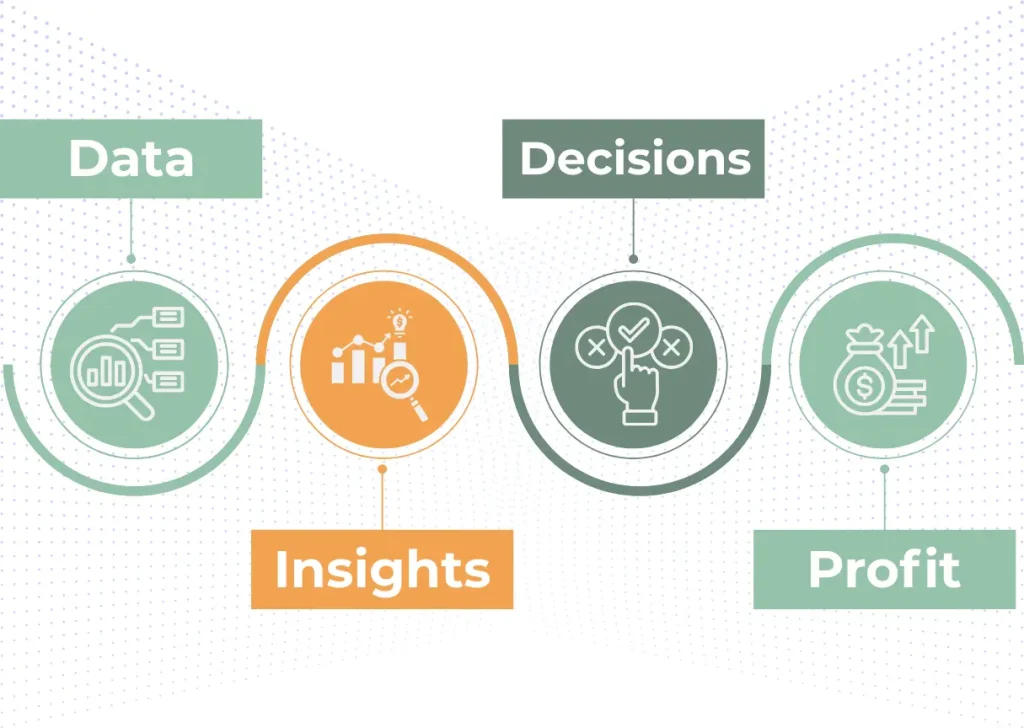
Many retail owners see accounting as a routine task, but in reality, retail business accounting is a powerful growth tool. Financial data provides insights into performance, customer behavior, and operational efficiency. When used properly, it helps improve strategy, reduce waste, and increase profits. Accounting is not just about recording numbers—it is about understanding and growing your business.
Why it matters
- Turns data into business insights
- Supports better strategic decisions
- Improves profitability and efficiency
- Builds a strong foundation for sustainable retail growth through better financial visibility.
Sum Up!
Retail success isn’t just about selling more; it’s about understanding more. The numbers behind your business hold the real story, and those who read them well always stay ahead.
With smarter retail business accounting, you don’t just track performance; you improve it. From pricing better to reducing hidden costs, every small insight adds to bigger profits. And with powerful retail business accounting software, managing your finances becomes faster, easier, and more effective.
In the end, the retailers who grow the fastest are not the busiest; they are the ones who understand their numbers the best.
Frequently Ask Questions
What are the 5 accounting software?
The 5 accounting software are Xero, QuickBooks Online, Sage 50cloud, Excel for Accounting, and CapiPlan. They help businesses manage billing, records, and financial reports easily.
What is the best retail software?
The best retail software is CapiPlan. It helps manage billing, inventory, and sales, making business work easier and more organized.
0 Comments