Power Your Business with CapiPlan
Current Asset Module
Managing your business finances can be a challenging task, especially when it comes to tracking
assets that are constantly in motion. Understanding what is a current asset is essential for
accurate reporting and smooth operations. CapiPlan’s Current Asset Module is designed to
simplify this process, helping businesses track, manage, and optimize their short-term resources efficiently.
In today’s fast-paced business environment, keeping a clear overview of your current assets is
more important than ever. Mismanaged cash, untracked inventory, or overlooked receivables can
lead to liquidity issues, operational delays, and missed opportunities. With CapiPlan, businesses
gain real-time insights into all their short-term resources, making it easier to make informed
decisions, maintain financial stability, and stay ahead of competitors.
Streamline Your Business with CapiPlan Current Asset
CapiPlan offers a centralized platform to manage all your current assets efficiently. But what exactly counts as a current asset? Current assets are resources that a business expects to convert into cash, sell, or use up within a year. Examples include cash & cash equivalents, receivables, marketable securities, inventory, deposits, and advance payments.
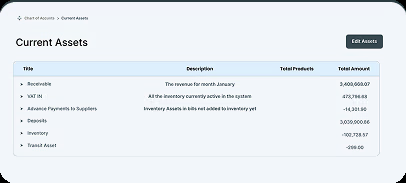
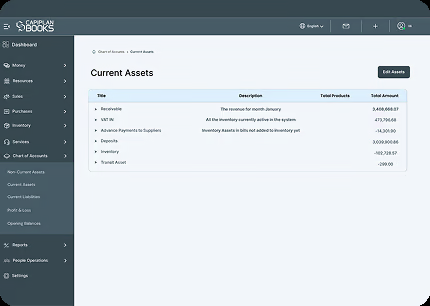
CapiPlan tracks every type of current asset your business has, current asset module ensures you always have an accurate overview. You can even track inventory in transit or assets that are included in bills but not yet added to inventory, helping prevent discrepancies and ensuring smooth accounting processes.
For businesses asking questions like,
“Is marketable securities a current asset?”
“Is inventory a current asset?”
Each asset is categorized correctly
Totals are updated automatically
Giving your finance team confidence in their reports.
Reducing errors
Key Features
of CapiPlan Current Asset Module
CapiPlan’s Current Asset Module is packed with features designed to make asset management simple, accurate, and effective:
1. Comprehensive Asset Tracking
- Keep track of every non-current asset, including purchase date and value.
- This helps in monitoring asset usage and planning replacements when needed.
2. Real-Time Updates
- Track tangible assets like machinery, vehicles, furniture, and laptops, as well as intangible assets such as software licenses & goodwill.
3. Clear Categorization
- CapiPlan separates short-term assets from long-term resources, giving you a transparent view of your finances.
- This separation makes budgeting, financial planning, and liquidity analysis simpler and more precise.
4. Integration with Chart of Accounts
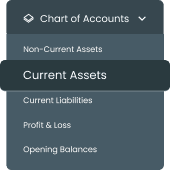
- Every asset head can be linked to your Chart of Accounts.
- Descriptions allow finance teams to track individual asset types, making reporting easier and more organized.
5. Enhanced Inventory Management
- Inventory, whether active or in transit, is tracked in detail. CapiPlan ensures that stock levels match what is physically available and what is listed in bills.
- This feature prevents overstocking, stockouts, and accounting discrepancies.
6. Simplified Compliance
- Tracking assets such as VAT IN, advance payments, and deposits helps businesses remain compliant with financial regulations.
- Automated reports reduce the risk of errors during audits and save time for finance teams.
Why Businesses Choose CapiPlan Current Asset Module
Efficient management of current assets is vital for the success of any business. Here’s why CapiPlan is essential:
Better Cash Flow Management
Knowing your cash & cash equivalents and receivables allows better planning for payments and expenses.
Accurate Reporting
Clear differentiation between short-term and long-term resources ensures financial statements are accurate.
Informed Decision-Making
Real-time insights help businesses make better decisions on purchasing, budgeting, and financial planning.
Inventory Oversight
Track active inventory and items in transit to avoid discrepancies.
Time Savings
Automation of asset tracking reduces manual work and the risk of human error.
Regulatory Compliance
Automated tracking of VAT in, deposits, and other short-term assets helps maintain compliance with accounting standards.
By using CapiPlan, businesses gain control over all their current assets, ensuring operations run smoothly and finances are transparent.
FAQ’s
1. What is a current asset?
A current asset is any resource that a business can convert into cash, sell, or use within 12 months. Common examples include cash & cash equivalents, receivables, inventory, deposits, and marketable securities. CapiPlan helps businesses track all these assets efficiently.
2. Is marketable securities a current asset?
Yes, marketable securities are considered current assets because they can be quickly converted into cash within a year. CapiPlan allows businesses to monitor them along with other asset types for accurate reporting
3. Is inventory a current asset?
Yes, inventory is a current asset as it represents goods intended for sale. CapiPlan tracks inventory in your system, including items in transit and those included in bills, ensuring your records are accurate and up-to-date.
Take Charge of Your Current Assets Today
CapiPlan’s Current Asset Module is designed to make financial management easier for businesses of all sizes. With real-time tracking, integration with a chart of accounts, inventory monitoring, and detailed reporting, you can manage all short-term resources efficiently.
Stop relying on multiple spreadsheets or manual tracking systems. With CapiPlan, your current assets, from cash and receivables to inventory and deposits, are always organized, updated, and accessible.
Experience smoother operations, better decision-making, and complete control over your finances. Explore the Current Asset Module today and take the first step toward seamless, stress-free financial management with CapiPlan