
Every business needs a steady flow of cash to pay expenses, manage daily operations, and support future growth. Without proper planning, unexpected cash shortages can create financial challenges. Cashflow forecasting helps you predict your future cash position so you can make informed decisions and stay prepared. In this guide, you’ll learn what is cashflow forecasting, its benefits, the best methods, and useful tools to manage your business finances with confidence.
Table of Contents
What Is Cashflow Forecasting?
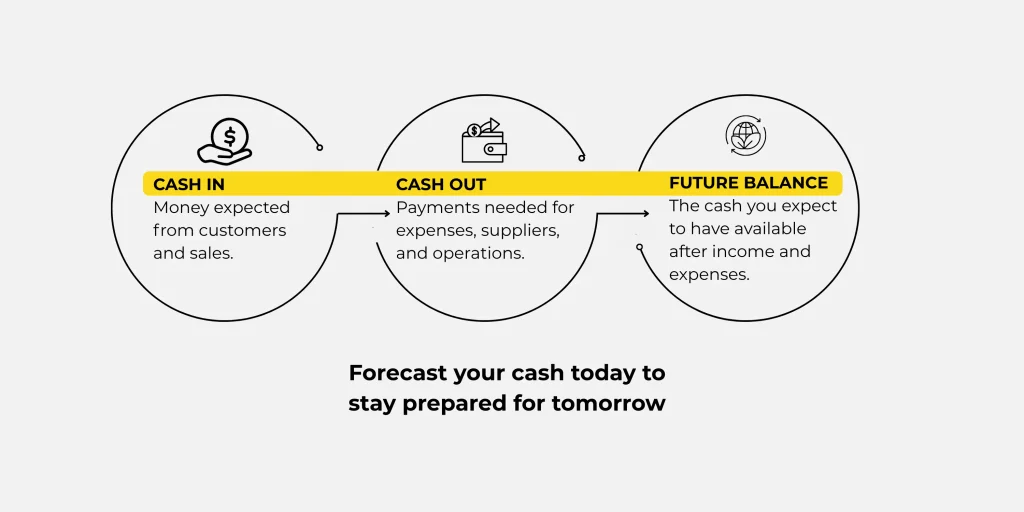
What is cashflow forecasting? Cashflow forecasting is the process of estimating the money your business expects to receive and spend over a certain period, such as a week, month, quarter, or year.
It gives you a clear picture of your future cash balance so you can make better financial decisions.
For example, if you know that customer payments will arrive late next month while rent and salaries are due early, you can plan ahead instead of facing a cash shortage.
Simply put, cashflow forecasting helps businesses avoid surprises.
Why Cashflow Forecasting Is Important
Without proper planning, businesses can quickly face financial problems, even if sales are growing.
Here are some reasons why cashflow forecasting is essential.
Helps Avoid Cash Shortages
A forecast shows when your business may run low on cash. This gives you enough time to reduce spending, speed up customer payments, or arrange additional funding.
Supports Better Decision Making
When you know how much cash will be available, you can confidently decide whether to hire employees, buy equipment, or invest in business growth.
Improves Budget Planning
Cashflow forecasts help create realistic budgets because they are based on expected income and expenses.
Builds Stronger Relationships
Paying suppliers, employees, and vendors on time builds trust. A good forecast helps ensure you always have enough money to meet these obligations.
Reduces Financial Stress
Knowing your financial position gives you peace of mind and allows you to focus on growing your business instead of worrying about unexpected expenses.
Types of Cashflow Forecasting
Businesses use different forecasting periods depending on their needs.
Short-Term Forecasting
Usually covers one week to three months.
It helps manage daily expenses, payroll, supplier payments, and working capital.
Medium-Term Forecasting
Usually covers three months to one year.
It helps businesses prepare for seasonal sales, marketing campaigns, and planned investments.
Long-Term Forecasting
Looks one year or more into the future.
It is useful for expansion plans, opening new branches, purchasing equipment, or seeking investment.
Common Cashflow Forecasting Method
Choosing the right cashflow forecasting method depends on your business size and goals.
Direct Method
The direct method records actual cash expected from customers and actual payments to suppliers and employees.
It provides a detailed picture of daily cash movement and is commonly used for short-term planning.
Best for:
- Small businesses
- Startups
- Weekly cash planning
Indirect Method
The indirect method starts with net profit and adjusts for non-cash expenses and changes in working capital.
It is commonly used for long-term financial planning and reporting.
Best for:
- Medium and large businesses
- Financial reporting
- Strategic planning
Cashflow Forecasting Best Practice
Following the right cashflow forecasting best practice improves forecast accuracy.
Keep Financial Records Updated
Incorrect or outdated records lead to inaccurate forecasts.
Always record sales, expenses, invoices, and payments on time.
Update Forecasts Regularly
Business conditions change quickly.
Review and update your forecast every week or month to reflect current information.
Include All Expenses
Do not focus only on major costs.
Remember to include small expenses like subscriptions, software fees, office supplies, maintenance, and taxes.
Plan for Unexpected Costs
Unexpected repairs, delayed customer payments, or market changes can affect cashflow.
Adding a small financial buffer helps protect your business.
Compare Forecasts With Actual Results
Review how accurate your previous forecasts were.
Learning from past differences helps improve future forecasting.
Benefits of Using a Cashflow Forecasting System
A modern cashflow forecasting system makes financial planning much easier.
Instead of manually updating spreadsheets, automated systems collect financial data and generate forecasts instantly.
Some key benefits include:
- Real-time cash visibility
- Faster financial planning
- Fewer manual errors
- Automatic report generation
- Better budgeting
- Improved financial control
- Easier decision-making
- More accurate predictions
Businesses that automate forecasting often spend less time on calculations and more time growing their business.
Suggested: Inventory Planning: The Key to Smarter Business Growth
Cashflow Forecasting Tools
Using the right cashflow forecasting tools helps businesses track cash flow, predict future cash positions, and make better financial decisions with less manual work.
- Microsoft Excel: A popular option for creating basic cashflow forecasts using formulas and financial models. Best for small businesses.
- QuickBooks: Automatically tracks income and expenses while providing cashflow reports and forecasts.
- Xero: Offers real-time financial data, cashflow insights, and easy bank integration.
- CapiPlan: Helps businesses monitor cash flow, manage finances, and generate accurate forecasts using real-time accounting data.
- Float: A dedicated cashflow forecasting tool that integrates with accounting software to provide detailed cash projections.
The best cashflow forecasting tools depend on your business size, budget, and reporting needs. Choosing the right tool can improve forecasting accuracy and help you stay financially prepared.
Common Cashflow Forecasting Mistakes
Even experienced businesses can make forecasting mistakes. Some common ones include:
- Overestimating future sales
- Ignoring seasonal changes
- Forgetting small recurring expenses
- Not updating forecasts regularly
- Depending only on historical data
- Ignoring late customer payments
Avoiding these mistakes improves forecast accuracy and reduces financial risks.
How Cashflow Forecasting Supports Business Growth
Growth requires money.
Whether you’re hiring employees, launching new products, expanding to new markets, or purchasing equipment, every business decision depends on available cash.
Cashflow forecasting helps you understand whether your business can afford these investments without creating financial pressure.
It also helps you identify the best time to invest, borrow funds, or reduce spending. This allows you to grow with confidence while maintaining healthy cash reserves.
Businesses that regularly forecast cashflow are often better prepared for both opportunities and unexpected challenges.
Wrap Up!
Cashflow forecasting is one of the most valuable financial planning practices for any business. It helps you predict future cash movement, prepare for upcoming expenses, and make informed business decisions.
By understanding what is cashflow forecasting, choosing the right cashflow forecasting method, following cashflow forecasting best practice, and using reliable cashflow forecasting tools or a modern cashflow forecasting system, businesses can improve financial stability and avoid unnecessary cash shortages.
Regular forecasting not only keeps your business financially prepared but also gives you the confidence to plan for long-term success.
Frequently Ask Questions
What is the best cashflow forecasting method?
The best cashflow forecasting method depends on your business. The direct method is ideal for short-term planning because it tracks actual cash movements, while the indirect method is better for long-term financial planning and reporting.
Why should businesses use cashflow forecasting tools?
Cashflow forecasting tools automate calculations, reduce manual errors, provide real-time financial insights, and help businesses make faster and more accurate financial decision

0 Comments