
Cash is the lifeline of any business. A company may show strong profits on paper, but without proper cashflow management, it can still struggle to pay bills, salaries, or suppliers. This is why managing cash flow is not just a finance task; it is a core business function.
Strong business cashflow management helps maintain daily operations, supports expansion, and protects the business during slow periods. It also gives business owners confidence to make better decisions. The good part is that improving cash flow does not always require complex changes. With the right approach, even small adjustments can create a big impact.
Below are 11 practical and detailed ways to improve your cash flow and build a more stable business.
Table of Contents
1. Keep Your Financial Records Updated
Accurate financial records are the foundation of effective cashflow management. When your books are up to date, you can clearly see where your money is coming from and where it is being spent. This helps you identify potential cash shortages before they become serious problems.
Regular bookkeeping also supports better decision-making and allows businesses to create reliable forecasts. Many companies use cashflow management software to automate record-keeping and maintain complete visibility over their finances.
2. Check Customer Credit Before Offering Payment Terms
Offering credit to customers can increase sales, but it also creates risks. Before providing extended payment terms, review a customer’s payment history and financial reliability.
This approach reduces the chances of late or unpaid invoices, which can negatively impact business cashflow management. Establishing clear credit policies helps maintain a healthy balance between customer relationships and financial stability.
3. Shorten Your Payment Terms
Long payment cycles can put pressure on your cash reserves. If customers take 60 or 90 days to pay, daily operations may become difficult even when sales are growing.
Review your current payment terms and consider reducing them where possible. Shorter payment periods improve incoming cash and strengthen your overall cashflow management system. Clear communication ensures customers understand and accept the updated terms.
4. Encourage Early Payments
Businesses can improve cash flow by rewarding customers who pay ahead of schedule. Small discounts for early payments often motivate clients to settle invoices faster.
This strategy increases available cash while reducing the time spent chasing overdue payments. Combined with modern cashflow management tools, businesses can automate reminders and monitor payment performance more effectively.
5. Monitor Outstanding Invoices Regularly
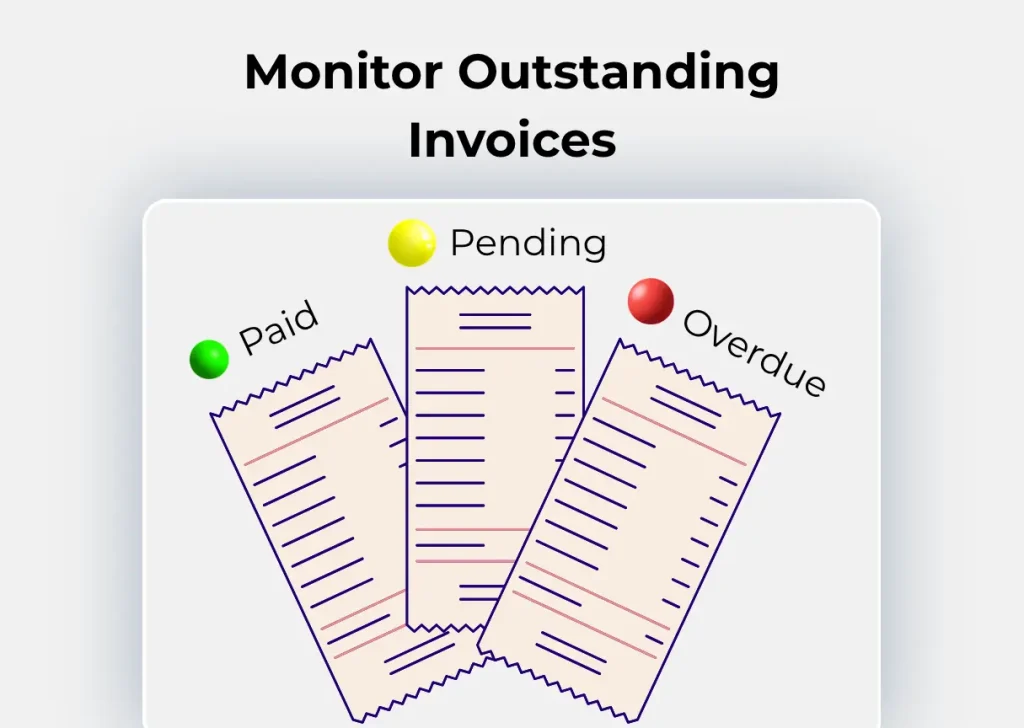
Unpaid invoices can quickly create cash flow challenges. Businesses should review outstanding payments on a regular basis and follow up with customers before invoices become overdue.
Creating a structured collection process helps maintain positive customer relationships while improving cash availability. Strong invoice management remains an essential part of successful business cashflow management.
6. Build a Healthy Cash Reserve
Unexpected expenses and market changes can affect any business. Maintaining a cash reserve provides a financial cushion during difficult periods and helps operations continue without disruption.
Setting aside a portion of monthly profits creates greater stability and reduces dependence on external financing. Many effective cashflow management solutions include emergency funds as part of long-term financial planning.
7. Create a Cash Flow Forecast
Forecasting allows businesses to prepare for future opportunities and challenges. By estimating expected income and expenses, companies can identify potential cash shortages well in advance.
A strong forecast supports better planning, smarter investments, and more informed business decisions. Budgeting and cashflow management work together to create a clear financial roadmap for sustainable growth.
8. Negotiate Better Payment Terms With Suppliers
Supplier relationships play an important role in cash flow. Negotiating longer payment periods gives businesses additional time to collect revenue before settling their own obligations.
This creates a healthier balance between cash inflows and outflows. Open communication and strong partnerships often lead to flexible arrangements that benefit both parties while supporting effective cashflow management.
9. Offer Flexible Payment Options to Customers
Making payments convenient for customers can help businesses receive money faster. Accepting multiple payment methods, including online transfers, cards, and digital wallets, removes barriers during the payment process.
Flexible options improve customer satisfaction while supporting stronger cash inflows. Modern cashflow management software often integrates with different payment systems to simplify collections.
10. Review Your Pricing Strategy Regularly
Pricing directly impacts profitability and cash generation. Businesses should regularly evaluate whether their products or services are priced appropriately based on market conditions, operating costs, and customer demand.
Small pricing adjustments can significantly improve margins and strengthen cash flow. Effective cashflow management solutions always include periodic pricing reviews to ensure long-term financial health.
11. Reduce Unnecessary Business Expenses
Controlling expenses is one of the fastest ways to improve cash flow. Reviewing subscriptions, operational costs, and supplier contracts can reveal opportunities for savings without affecting business performance.
Eliminating waste and focusing spending on high-value activities creates a more efficient operation. Combined with reliable cashflow management tools, cost optimization helps businesses maintain stronger financial stability and support future growth.
Suggested: Modern Ways to Run Your Business Finances Like a Pro in 2026
Wrap Up!
Managing cash flow is not just about tracking numbers; it is about building a strong and stable business. Effective cashflow management ensures that your company can meet its obligations, invest in growth, and handle unexpected challenges.
By applying these detailed strategies, businesses can improve their financial control and create a steady flow of cash. From better budgeting and cashflow management to using advanced cashflow management tools, every step contributes to long-term success.
In today’s competitive environment, businesses that focus on strong business cashflow management are more likely to grow, adapt, and succeed. Small improvements made consistently can lead to powerful results over time.
Frequently Ask Questions
What are five rules of cash flow?
The five rules of cash flow are: speed up incoming payments, delay outgoing payments when possible, control unnecessary expenses, forecast cash needs in advance, and always keep a cash reserve. These rules help maintain healthy liquidity in business.
What are three types of cash flows?
The three types of cash flows are operating cash flow, investing cash flow, and financing cash flow. Operating cash flow comes from daily business activities, investing cash flow relates to assets, and financing cash flow involves loans and funding.

0 Comments