
Ask any business owner, and they will probably tell you that bookkeeping is one of the most time-consuming parts of running a company. That is exactly why automated bookkeeping is getting so much attention in 2026. It helps businesses stay organized without spending hours on manual tasks every week.
The best part is that automation does much more than save time. It can track expenses, manage invoices, and generate reports automatically, giving businesses a clear view of their finances at all times. With less paperwork to worry about, teams can put their energy into growing the business and serving customers better.
This guide explains everything businesses need to know about automated bookkeeping and why it has become an essential part of modern financial management.
Table of Contents
What Is Automated Bookkeeping?
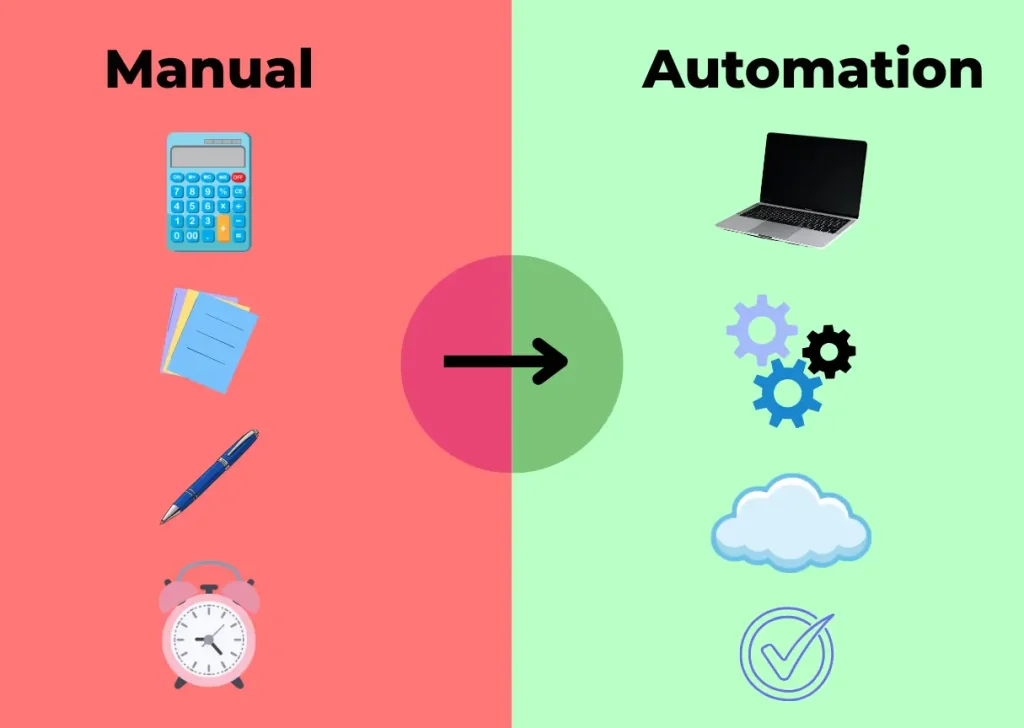
Automated bookkeeping is the use of software and technology to record, organize, and manage financial transactions with minimal human involvement. Instead of entering data manually, businesses can automate tasks such as:
- Recording sales and expenses
- Creating invoices
- Tracking payments
- Managing payroll entries
- Reconciling bank transactions
- Generating financial reports
Modern bookkeeping systems use cloud technology, artificial intelligence, and integrations with banking platforms to streamline financial operations.
The goal is simple: reduce manual work while improving accuracy and efficiency.
Why Businesses Are Moving Towards Automated Bookkeeping
More businesses are choosing automated bookkeeping because it makes managing finances easier and faster. Here are some of the main reasons why:
- Saves time: Automated tools handle tasks like recording transactions and creating reports, so teams can spend more time growing the business.
- Reduces mistakes: Manual data entry can lead to errors. Automation helps keep financial records accurate and up to date.
- Gives real-time information: Business owners can check their income, expenses, and cash flow anytime, helping them make better decisions.
- Supports business growth: As a business grows, automated bookkeeping software can manage more transactions without adding extra work.
- Improves productivity: Employees can focus on important tasks instead of spending hours on routine bookkeeping work.
- Makes tax preparation easier: Organized records and automated reports help businesses stay ready for tax season and meet compliance requirements.
Key Features of an Automated Bookkeeping System
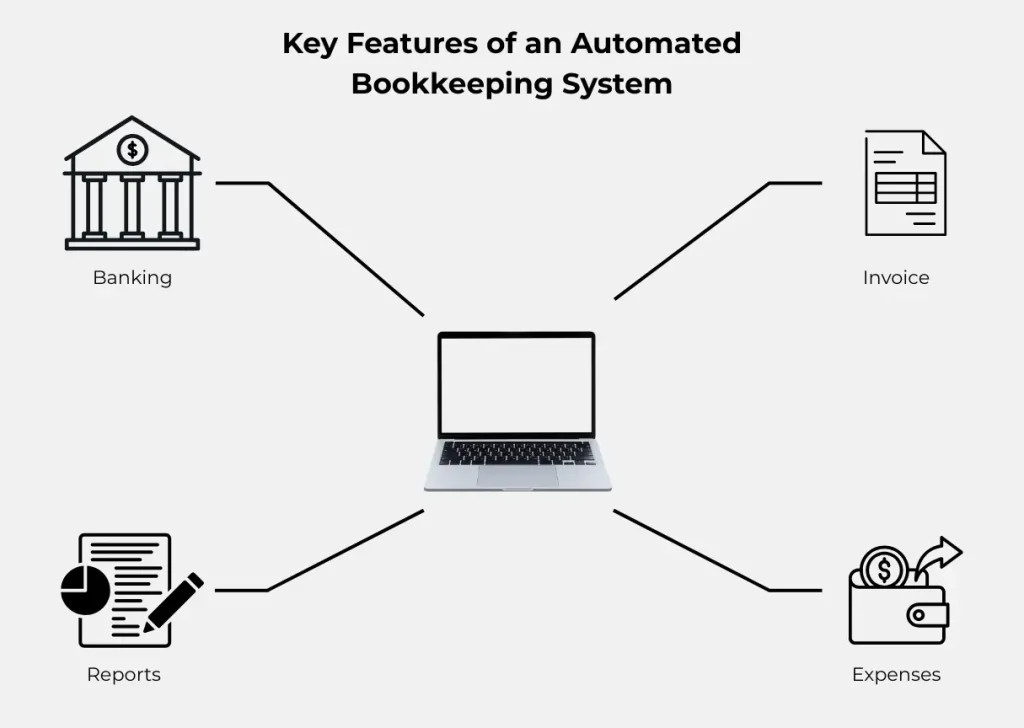
A reliable automated bookkeeping system includes several features that simplify financial management.
Automatic Transaction Recording
The software connects with bank accounts and automatically imports financial transactions. This eliminates the need for manual data entry and keeps records updated.
Smart Expense Categorization
Modern systems use artificial intelligence to classify expenses into appropriate categories. Over time, the software learns business patterns and improves its accuracy.
Invoice Automation
Businesses can create recurring invoices, send payment reminders, and track customer payments automatically.
This improves cash flow management and reduces administrative work.
Bank Reconciliation
Matching transactions with bank statements is one of the most time-consuming bookkeeping tasks.
Automation makes reconciliation faster and more accurate by identifying matching entries instantly.
Financial Reporting
Automated systems generate reports such as:
- Profit and loss statements
- Balance sheets
- Cash flow reports
- Expense summaries
- Tax reports
Business owners gain immediate access to critical financial information whenever needed.
Automated Bookkeeping Outsourcing: A Growing Trend
Many businesses are now combining technology with professional expertise through automated bookkeeping outsourcing.
This approach allows companies to use automated systems while external accounting professionals oversee financial management.
There are several benefits to this model.
Lower Operational Costs
Hiring and maintaining an in-house bookkeeping department can be expensive.
Outsourcing provides access to experienced professionals without the costs associated with full-time employees.
Better Financial Accuracy
Professional bookkeeping firms understand accounting regulations and best practices. When combined with automation, businesses receive highly accurate financial records.
Increased Flexibility
Companies can scale outsourced services according to their requirements. Whether they need basic bookkeeping support or complete financial management, outsourcing provides flexible solutions.
Access to Modern Technology
Many bookkeeping service providers already use advanced automated platforms. Businesses can benefit from the latest technology without investing heavily in software infrastructure.
Best Automated Bookkeeping Software in 2026
Choosing the right bookkeeping software can make a big difference in how efficiently a business manages its finances. Here are three popular options in 2026:
CapiPlan
CapiPlan is an all-in-one business management platform that offers automated bookkeeping, invoicing, expense tracking, inventory management, and real-time financial reporting. It helps businesses streamline their daily operations while keeping financial data accurate and organized. Its user-friendly dashboard and automation features make it a great choice for growing and established companies that want to manage everything from a single platform.
QuickBooks
QuickBooks remains one of the most widely used automated bookkeeping solutions for small and medium-sized businesses. It automatically tracks income and expenses, connects with bank accounts, creates invoices, and generates detailed financial reports. Its cloud-based system also allows business owners to access their financial data anytime and from anywhere.
Zoho Books
Zoho Books is another popular option for businesses looking to simplify their bookkeeping processes. The platform automates tasks such as invoicing, expense management, bank reconciliation, and tax calculations. It also integrates smoothly with other Zoho applications, making it a strong choice for businesses already using the Zoho ecosystem.
Are Automated Bookkeeping Services Right for Your Business?
Many organizations are now adopting automated bookkeeping services to improve efficiency and reduce operational challenges.
These services are particularly valuable for:
- Startups with limited resources
- Small businesses managing rapid growth
- Companies with high transaction volumes
- Businesses operating in multiple locations
- Organizations seeking real-time financial visibility
However, automation does not replace professional financial expertise entirely. Businesses still benefit from accountants who can interpret data, provide strategic advice, and ensure regulatory compliance.
The most effective approach often combines technology with human knowledge.
Also Read: Accounting Automation Software: Automate 80% of Your Tasks Easily
Final Thoughts
It is clear that automated bookkeeping is making financial management easier for businesses of all sizes. With less time spent on manual work, teams can focus more on growth and better decision-making.
Whether companies use an in-house automated bookkeeping solution or opt for automated bookkeeping outsourcing, the benefits are undeniable. As the best automated bookkeeping software 2026 continues to evolve, businesses that embrace automation today will be ready for a smarter and more efficient future.
Frequently Ask Questions
What is the meaning of automated bookkeeping?
Automated bookkeeping means using software to manage financial tasks with little manual effort. It helps businesses keep accurate records by automatically handling activities like data entry, expense tracking, and bank reconciliation.
Which is the best automated bookkeeping software in 2026?
The best automated bookkeeping software in 2026 depends on a business's needs and size. Popular options like CapiPlan, QuickBooks, and Zoho Books offer features such as automated invoicing, expense tracking, real-time reporting, and easy financial management.

0 Comments