
Starting a startup is thrilling, but let’s face it! Keeping your finances in order can be stressful. Missing a payment, miscalculating expenses, or spending hours on bookkeeping can slow down growth. That’s where AI in accounting comes to the rescue. Instead of chasing numbers and fixing errors, startups can stay one step ahead. With accounting automation handling the routine work and real-time insights guiding every move, finances become clear and under control. No more last-minute stress or scattered data just smooth, smart, and confident decision-making. For startups ready to scale without panic, AI isn’t just support, it’s a perfect advantage.
In this blog, we will explore the importance of AI in accounting, how it helps startups, and why it is shaping the future of AI in accounting.
Table of Contents
What Is AI in Accounting?
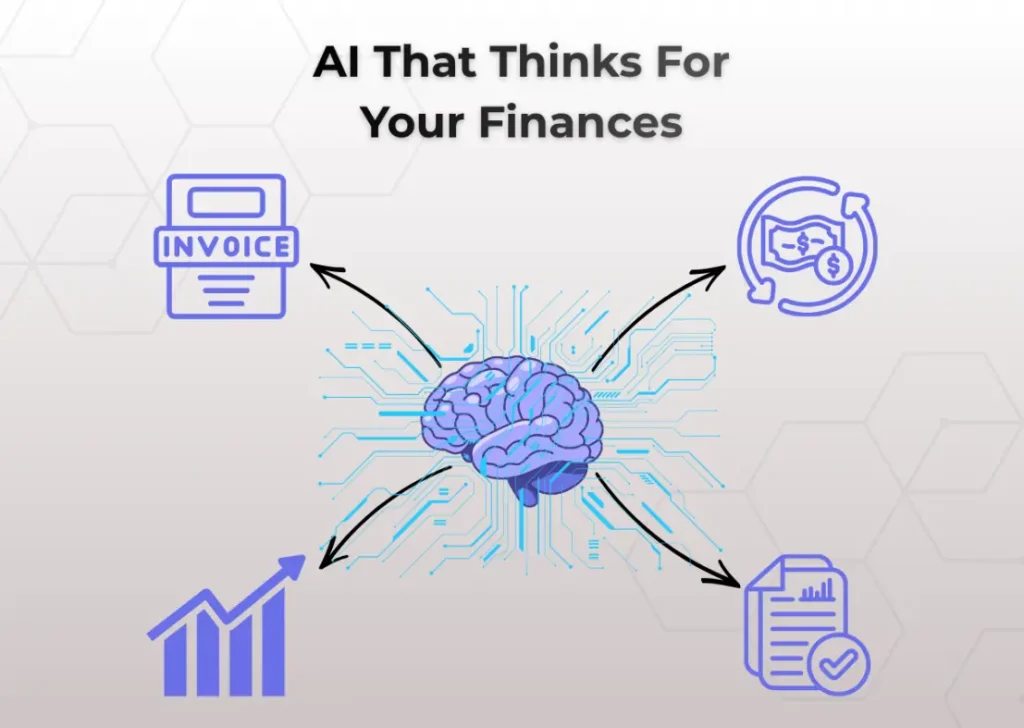
AI in accounting refers to using artificial intelligence technologies to automate and improve accounting tasks. Instead of spending hours manually entering data, reconciling accounts, or generating reports, AI systems can do these tasks automatically. AI can analyze data, detect errors, and even predict trends, helping businesses make smarter financial decisions.
Some key tools include AI-powered accounting software, machine learning algorithms, and automation systems. These AI tools for accounting not only reduce human error but also save time for business owners to focus on growth.
Key Benefits of AI in Accounting for Startups
1. Speeds Up Financial Forecasting
AI also improves forecasting by adjusting predictions in real time. As new data comes in, AI in accounting software updates forecasts automatically without any manual effort. This means startups always have the most up-to-date financial picture.
With automation and AI in accounting, businesses can quickly spot trends, like rising costs or changing sales patterns, and take action early. This reduces financial uncertainty and gives startups more confidence when planning their next steps.
2. Helps in Smart Budget Allocation
Every startup has limited money, so using it wisely is very important. AI in accounting software studies spending patterns and identifies areas where money is being wasted or where more investment is needed.
For example, if marketing costs are high but not bringing sales, AI will flag it. This way, startups can adjust budgets, invest in profitable areas, and cut unnecessary expenses. One of the biggest benefits of AI in accounting is helping startups make money decisions that are backed by real data instead of guesswork.
3. Improves Cash Flow Management
Cash flow is the lifeline of any startup. If money coming in doesn’t cover money going out, the business can quickly run into trouble. Automation and AI in accounting track payments in real time and predict possible shortages before they happen.
AI can even send reminders to clients for unpaid invoices, ensuring money comes in on time. This makes it easier to pay bills, manage payroll, and keep the business running smoothly without financial stress.
4. Supports Better Investor Reporting
Investors want clear and accurate financial information to understand how a startup is performing. AI in accounting and finance creates professional reports in minutes, showing revenue, expenses, profits, and other key data.
This builds trust with investors because the numbers are accurate and easy to understand. The impact of AI in accounting here is huge—it allows startups to impress investors without spending days preparing reports manually.
5. Scales Easily with Business Growth
When a startup grows, financial tasks increase. More transactions, more clients, and more employees make accounting complicated.
AI in accounting software handles large volumes of data without slowing down or making mistakes. Startups can expand their business without worrying about financial systems breaking down. This shows how the future of AI in accounting helps businesses scale efficiently and stay organized as they grow.
6. Enables Data-Driven Decision Making
Many startups make important business decisions based on assumptions or guesses. AI in accounting changes this by analyzing all financial data and providing insights that show what is actually happening.
For instance, AI can highlight which products are most profitable or which expenses are unnecessary. With AI in accounting and finance, every decision, from hiring new staff to launching a product, is based on real numbers, not guesswork. This reduces risk and improves chances of success.
7. Improves Financial Planning and Goal Setting
Startups often struggle to set clear financial goals. AI in accounting helps by analyzing past performance and showing realistic targets for the future. With this, businesses can set goals for revenue, savings, and growth based on real data. AI also tracks progress and shows if the startup is moving in the right direction or falling behind.
This is one of the key benefits of AI in accounting because it helps startups stay focused and make better long-term plans. The impact of AI in accounting here is clear: better planning leads to better results and steady business growth.
The Future of AI in Accounting
The future of AI in accounting is bright. Technology is advancing rapidly, and AI will continue to play a bigger role in finance. Here are some trends to watch:
- Full automation of routine accounting tasks: AI will manage most of the day-to-day accounting work.
- Advanced predictive analytics: Startups will rely on AI to forecast trends, profits, and risks.
- AI-powered auditing: Audits will become faster, more accurate, and less stressful.
- Integration with other business tools: AI will connect with CRMs, payment systems, and inventory software for seamless operations.
By adopting AI now, startups position themselves ahead of the curve and benefit from early technological advantages.
Choosing the Right AI Accounting Software

To get started, startups should look for AI accounting software that is:
- Easy to use, even for non-accountants.
- Capable of automating repetitive tasks like invoicing and expense tracking.
- Equipped with predictive analytics to provide insights and forecasts.
- Secure and compliant with financial regulations.
Many startups choose cloud-based solutions because they offer accessibility, real-time updates, and scalability.
Challenges to Keep in Mind
While AI offers many advantages, startups should be aware of a few challenges:
- Initial setup cost: Some AI software requires an investment, though it pays off over time.
- Learning curve: Teams may need training to use AI tools effectively.
- Data security: Financial data must be protected; choose software with strong security features.
These challenges are manageable and are far outweighed by the benefits of implementing AI in accounting.
Suggested: The Importance of Real-Time Data Reporting in Modern Business
Sum Up!
The truth is, startups can’t afford to waste time on slow, manual accounting. With AI in accounting and finance, tasks that once took hours are done in minutes, mistakes are caught before they cost you, and decisions become smarter with real data at your fingertips.
AI isn’t just a tool; it’s a partner that helps your startup grow faster, stay compliant, and plan ahead. The impact of AI in accounting is real, and startups that embrace it today are setting themselves up for a smoother, smarter, and more profitable future. Why struggle with numbers when AI can handle it for you?
Frequently Ask Questions
How does AI help accountants?
AI helps accountants save time by automating work and reducing mistakes in financial records.
Is AI safe to use in accounting?
Yes, AI is safe and reliable when used properly. It also helps improve accuracy and speed in accounting tasks.

0 Comments