
Remote accounting is no longer unusual. Most companies now hire accountants who work from home or from different cities and countries. This change grew even more after the pandemic, but many firms have kept it because of the benefits. Remote accounting teams can deliver excellent work, save costs on office space, and help firms hire the right people no matter where they live.
However, managing a remote accounting team is not without challenges. Without good planning and systems, teams can have trouble communicating, meeting deadlines, and staying motivated. The key is to use proven practices that help keep everyone connected and productive. In this blog, you’ll learn simple, practical ways to lead a strong remote accounting team with confidence and clarity.
Table of Contents
1. Set Clear Expectations and Goals
One of the most important steps in managing remote accounting teams is clear expectations. When people work apart, it’s easy for misunderstandings to happen. That’s why everyone must know:
- What their responsibilities are
- What tasks they must complete
- When each task is due
- How their work will be measured
- Who to ask for help
This makes sure everyone is on the same page and avoids confusion. Without clear goals, team members may guess what they should do and what shouldn’t.
2. Communicate Often and in the Right Ways
Communication is the foundation of remote work. In a physical office, people can just walk over to talk. But when working remotely, teams need planned systems to share information.
Use different tools for different purposes:
- Email – for formal messages and official notifications
- Chat apps like Slack or Teams – for quick questions
- Video calls – for group meetings, training, and check‑ins
- Phone calls – when internet connection is poor
Each tool has benefits, and mixing them helps the team stay informed. Make rules about when to use each type of communication so there are no mix‑ups.
3. Use the Right Tools for Collaboration
Remote accounting work depends on technology. The right tools help everyone work together easily, even if they’re far apart.
Project Management Tools
Platforms like Trello, Asana, or Monday.com help teams track tasks, assign responsibilities, and monitor deadlines. Anyone can see the status of a job, which boosts accountability and teamwork.
Accounting Software
Cloud‑based accounting software allows accountants to work on the same files simultaneously. These tools make remote accounting services faster, more accurate, and less stressful.
Secure Communication Platforms
Apps like Zoom or Google Meet let teams meet online when required. Seeing each other helps build trust and makes conversations clearer than text alone.
4. Keep Data Security a Top Priority
Remote accounting teams deal with financial data. This data must stay safe.
Follow strong security practices:
- Use strong passwords and change them often
- Apply multi‑factor authentication for login
- Use secure VPNs for connections
- Train everyone on cyber threats like phishing
These practices protects your team and your clients. Without it, remote accounting services can quickly lose trust and reputation.
5. Build Trust and a Strong Team Culture
Trust is essential when managing remote teams. Leaders must rely on team members to do their work without watching them every second.
Ways to build trust:
- Avoid micromanagement
- Give team members responsibility
- Recognize good work
- Show appreciation often
Also, create a sense of teamwork even if people are apart. Celebrate small wins, host fun virtual events, and allow team members to share their ideas and feedback. A positive team culture encourages loyalty and productivity.
6. Encourage Regular Check‑Ins
Regular check‑ins help keep everyone coordinated. These can be:
- Weekly team video meetings
- One‑on‑one progress chats with employees
- Daily or weekly status reports
These check‑ins give people time to ask questions, share progress, and raise problems early. They help managers stay in touch with team needs and support them when needed.
7. Focus on Output, Not Hours Worked
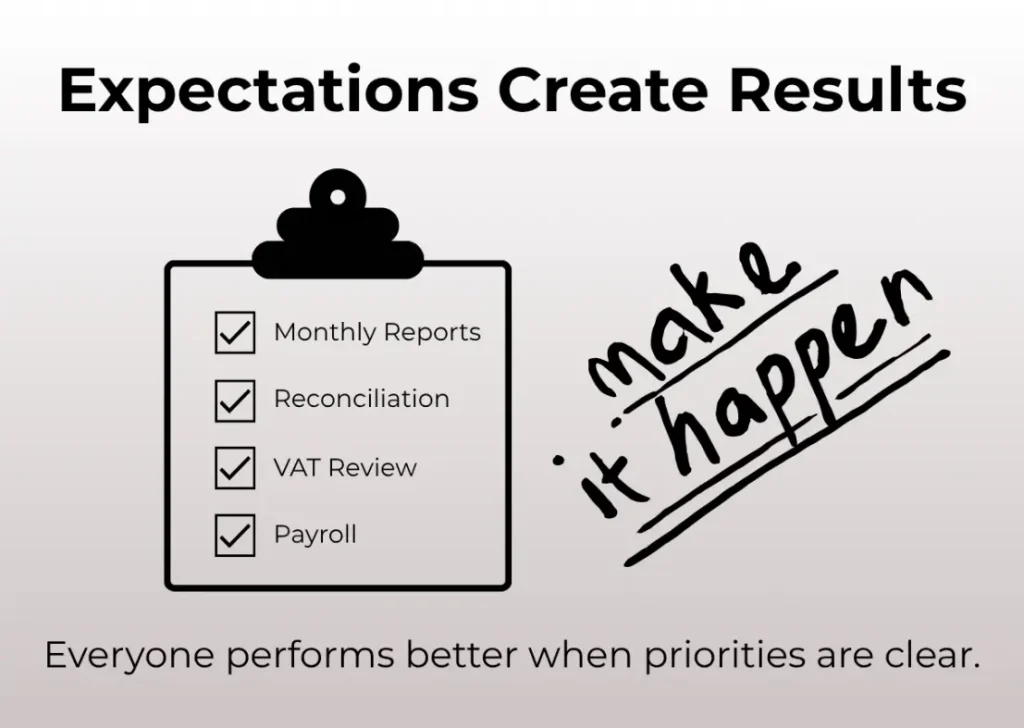
In remote work, you can’t always see people working, and that’s okay. What matters most is results. Instead of tracking hours online, focus on:
- Completed tasks
- Quality of work
- Meeting deadlines
This approach shows trust and gives employees the flexibility to work at their best times. It also reduces stress and supports remote work success.
8. Help Team Members Grow Their Skills
Remote accounting teams need ongoing support to stay updated with the latest tools, software, and accounting regulations. Encourage ongoing learning by:
- Offering access to online courses Remote accounting teams need ongoing support to stay updated with the latest tools, software, and accounting regulations
- Supporting professional certifications
- Hosting training sessions
This investment helps your team stay efficient, informed, and motivated. It also shows you care about their career growth, not just their daily work.
9. Support Work‑Life Balance
Remote work can blur the line between home and work. Accountants might work late or skip breaks. This can quickly lead to burnout.
To avoid this:
- Encourage set work hours
- Respect offline time
- Suggest regular breaks
- Avoid late‑night messages unless urgent
When people have balance, they are happier and more productive.
10. Build Community and Social Connections
Working alone can feel isolating. Help your team feel connected by:
- Hosting virtual coffee breaks
- Sharing personal celebrations
- Creating fun internal events
These moments make team members feel valued and connected, not just workers on a screen.
Suggested: Best Money Management Tips for Businesses in 2026 (with tools)
Conclusion: Remote Accounting Done Right
Managing a remote accounting team does take effort, but the benefits are worth it. Remote accounting services allow firms to reach top talent, work flexibly, and operate in a modern economy. With the right practices, clear communication, strong tools, good data security, and supportive leadership, your team can thrive no matter where they are.
If leaders set expectations, build trust, and support their team’s well‑being, they create a remote environment that feels safe, efficient, and motivating. In this new world of work, mastering remote accounting management is not just a trend; it’s a smart strategy for long‑term success.
Frequently Ask Questions
How does remote accounting help businesses?
Remote accounting helps businesses manage financial tasks from anywhere using online tools and cloud software. It saves time and reduces costs by removing the need for in-office accounting work. It also improves accuracy and gives real-time access to financial data for better decision-making.
Is remote accounting safe to use?
Yes, remote accounting is generally safe to use when secure cloud-based software and strong passwords are used. It also includes data encryption and security features to protect financial information.

0 Comments