
It’s Sunday night, and you’re buried in receipts, trying to make sense of last month’s numbers. You’re not alone. That old way of doing accounts is slowly fading out, and cloud accounting is taking its place. It has changed the way businesses handle their finances, making the entire process faster, safer, and much simpler. In this blog, we will look at what cloud accounting is, why it matters, and how it can help your business grow.
Table of Contents
What is Cloud Accounting?
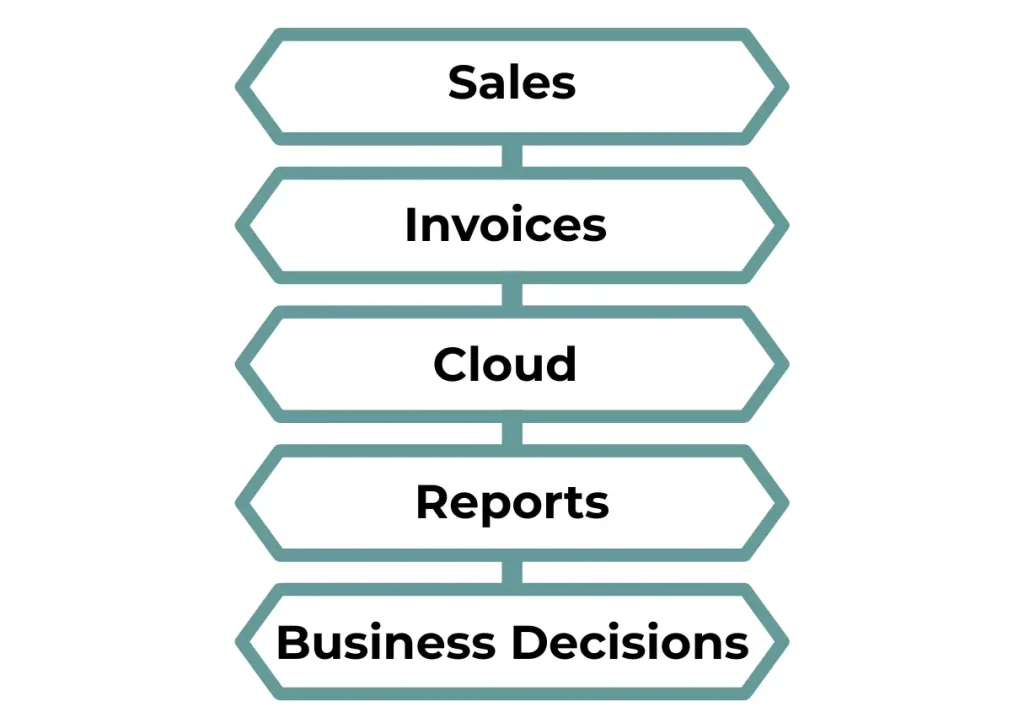
Cloud accounting is a way of managing your business finances using software that is hosted online, instead of being installed on a single computer. With cloud accounting software, all your financial data is stored on secure servers and can be accessed anytime, anywhere, as long as you have an internet connection.
Unlike traditional accounting systems, there is no need to install anything on your device or worry about losing data if your computer crashes. Everything is saved automatically and updated in real time. This simple shift from desktop-based systems to online platforms has made financial management much easier for business owners, accountants, and finance teams alike.
Why Businesses Are Moving to Cloud Accounting
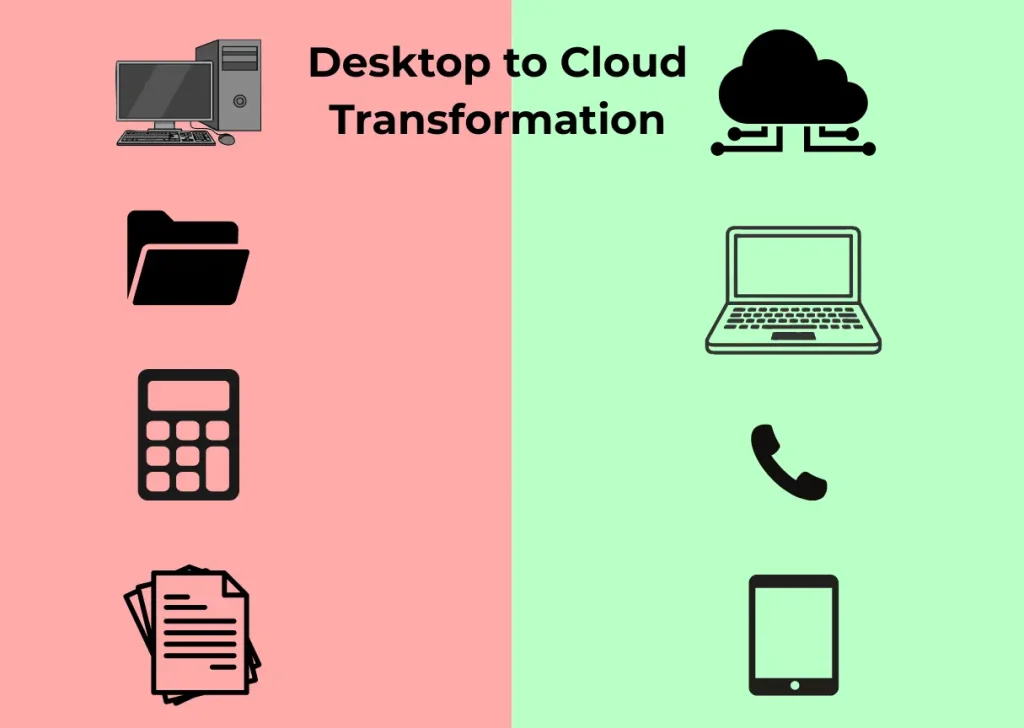
More and more companies are switching to cloud-based systems, and for good reason. Let’s look at some of the biggest advantages of cloud accounting that are driving this change.
1. Access Your Data Anytime, Anywhere
One of the strongest benefits of cloud accounting for businesses is remote access. You don’t need to be sitting at your office desk to check your accounts. Whether you are travelling, working from home, or meeting a client, you can log in from your laptop, tablet, or phone and see your financial data instantly. This flexibility is extremely valuable for business owners who are always on the move.
2. Real-Time Financial Information
With traditional accounting, you often have to wait for reports to be updated or shared. Cloud accounting removes this delay. Every transaction, invoice, or payment is updated live, so you always have an accurate picture of your business finances. This helps you make faster and smarter decisions, since you are working with current numbers instead of outdated ones.
3. Better Security for Your Data
Many business owners worry about the safety of their financial information online. However, most cloud platforms use strong encryption, regular backups, and multiple layers of security to protect your data. This is often safer than storing everything on a single office computer, which can be lost, damaged, or stolen. Choosing the best cloud accounting software means your financial records are backed up automatically, reducing the risk of losing important data.
4. Cost-Effective Solution
Traditional accounting software often requires expensive licenses, installations, and IT support. Cloud accounting works on a subscription basis, which means lower upfront costs. This makes it an excellent option for small business cloud accounting, where budgets are often tight. You pay for what you use, and there is no need to invest in expensive hardware or in-house servers.
5. Easy Collaboration with Your Team and Accountant
Cloud accounting allows multiple users to access the same data at the same time. This means your accountant, bookkeeper, and team members can all view and update financial records together, without sending files back and forth over email. This kind of collaboration saves time and reduces errors, especially when working with external accountants or auditors.
6. Automatic Software Updates
With cloud-based systems, you never have to worry about manually updating your software. Updates happen automatically in the background, so you always have access to the latest features, tax rules, and security improvements. This is a major advantage compared to older systems that require manual updates and can quickly become outdated.
7. Simplified Invoicing and Payments
Cloud accounting software often comes with built-in tools for creating invoices, tracking payments, and sending reminders to clients. This makes it easier to manage cash flow and get paid on time. Many platforms also connect directly with your bank account, so transactions are recorded automatically without manual entry.
Cloud Accounting Software in Dubai
Dubai has become a major hub for businesses of all sizes, and financial management plays a big role in staying competitive. Cloud accounting software in Dubai is becoming increasingly popular among startups, SMEs, and large companies because it helps them stay compliant with VAT regulations, manage multi-currency transactions, and keep accurate records with ease.
Since Dubai’s business environment is fast-paced and often international, having access to real-time financial data from anywhere is especially useful. Business owners can manage their accounts while travelling, and finance teams can collaborate smoothly even across different locations. This has made cloud accounting a preferred choice for companies operating in the UAE market.
Suggested: 8 Key Accounting Software Features to Boost Business Efficiency
The Best Cloud Accounting Software to Consider
With so many options available, choosing the right platform can feel overwhelming. Here’s a quick look at some of the best cloud accounting software options worth considering, depending on your business needs.
1. CapiPlan
CapiPlan is a UAE-based, all-in-one business management platform built for SMEs, startups, and enterprises across the region. Rather than just handling the books, it combines accounting, invoicing, purchasing, inventory, payroll, HR, and reporting into one cloud dashboard. It also offers dedicated support for industries like retail, logistics, consulting, healthcare, and hospitality, along with a local support team based in the UAE for quick, time-zone-friendly help. This combination of compliance, automation, and industry-specific features makes CapiPlan a practical pick for cloud accounting software in Dubai and across the wider GCC market.
2. Xero
Xero is known for its clean interface and unlimited user access on all plans, which makes it a strong choice for growing teams that need multiple people working in the system at once. It also supports extensive third-party integrations, making it easy to connect with other business tools you already use.
3. Zoho Books
Zoho Books stands out for businesses that are budget-conscious but still want solid features. It offers a forever-free plan for smaller businesses, strong automation for tasks like transaction categorization and payment reminders, and works especially well if you’re already using other Zoho apps like CRM or Inventory.
Final Thoughts
At the end of the day, cloud accounting isn’t just a trend; it’s simply a smarter way to run your finances. Real-time numbers, tighter security, lower costs, and way less stress. What’s not to like?
So if you’re still stuck with spreadsheets and shoeboxes full of receipts, maybe it’s time for a change. Give cloud accounting software a try, and watch how much easier managing your money becomes.
Frequently Ask Questions
What is the best cloud accounting software?
CapiPlan is one of the best cloud accounting software solutions for businesses, offering accounting, invoicing, VAT, payroll, taxation and reporting in one secure cloud platform. It helps automate financial operations, improve accuracy, and manage your business from anywhere.
What are the benefits of cloud accounting for businesses?
Cloud accounting gives businesses real-time financial data, stronger security, lower costs, and easy collaboration with their team or accountant. It also saves time by automating updates, invoicing, and bank syncing, so owners can focus more on growth.

0 Comments