
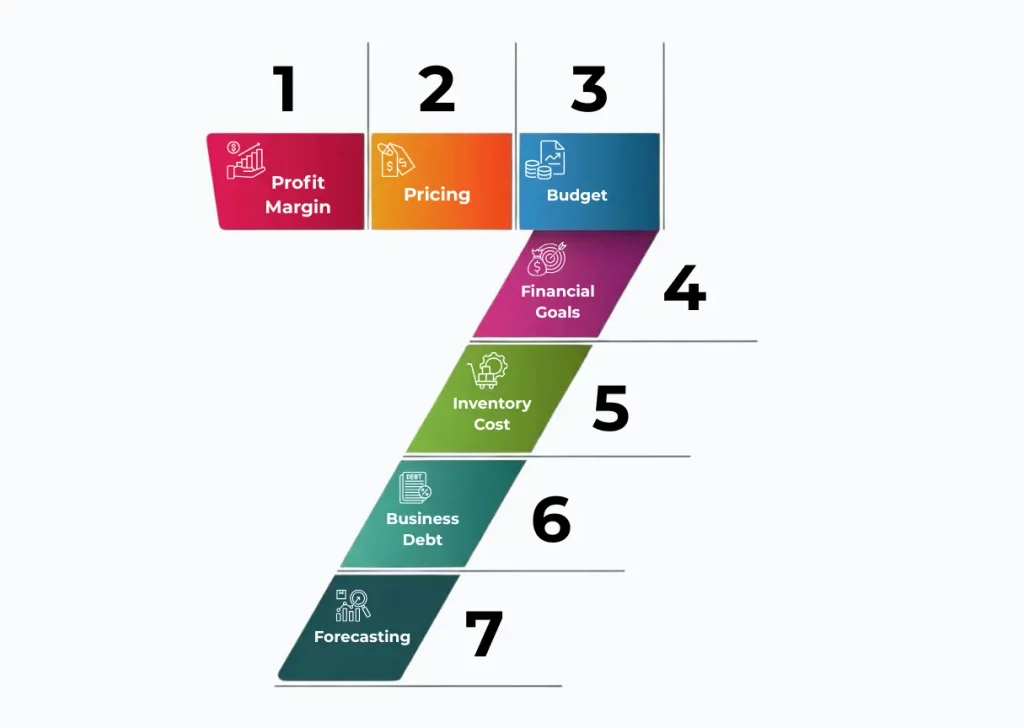
Accounting is not just about recording numbers. It can help you understand where your business is making money, where it is losing money, and what you can do better. These 7 practical small business accounting tips can help you turn your financial data into bigger gains.
Table of Contents
1. Know Your Profit Margin
Making more sales does not always mean making more profit.
For example, you may sell a product for $100, but if it costs you $80 to produce and sell it, your actual profit is only $20.
That is why it is important to know your profit margin for different products and services. Compare your selling price with the total cost involved, including materials, labor, delivery, marketing, and other related expenses.
Once you know which products or services generate the highest margins, you can focus more on them.
Your business accounting records can help you identify where your best profits are coming from instead of simply looking at total sales.
2. Review Your Pricing Regularly
Many small businesses set their prices once and rarely review them. But costs can change over time.
Supplier prices may increase. Employee costs may rise. Software subscriptions, shipping, rent, and other expenses can also become more expensive.
If your prices stay the same while your costs increase, your profit can slowly disappear. Review your pricing regularly and compare it with your current costs. Ask yourself:
- Is the price still profitable?
- Have my business costs increased?
- What are competitors charging?
- Which products or services bring the best return?
- Do I need different prices for different customer groups?
Using small business accounting software can make it easier to understand your costs and make pricing decisions based on actual numbers.
3. Create a Realistic Business Budget
A budget gives your money a direction. Instead of simply spending as money comes in, create a plan for how much you expect to earn and spend during the month, quarter, or year. Your budget can include:
- Expected sales
- Operating costs
- Marketing expenses
- Equipment purchases
- Supplier costs
- Loan payments
- Emergency funds
Compare your actual results with your budget regularly. If you planned to spend $2,000 on marketing but spent $3,500, find out why.
This simple comparison can show where your business is going over budget and where you may need to make changes.
4. Set Financial Goals You Can Measure
“Increase profit” is a good goal, but it is too broad. Instead, create specific financial targets. For example, you could aim to:
- Increase monthly profit by 10%
- Reduce operating costs by 5%
- Increase average order value
- Reduce unpaid customer balances
- Build three months of business reserves
- Increase the profit margin on your top products
Clear goals make financial decisions easier because you have something specific to work toward. Your accounting data can also help you measure progress. Review your results every month and adjust your strategy when needed.
5. Understand the True Cost of Your Inventory
If your business sells physical products, inventory can have a major effect on your profit. It is easy to look at the purchase price and assume that is the full cost. But inventory may also include shipping, storage, packaging, customs, handling, and other expenses.
For example, a product that costs $20 from a supplier may actually cost you $27 after additional expenses.
Knowing the true cost of inventory helps you set better prices and identify products that are not as profitable as they appear. It can also help you avoid keeping too much money tied up in slow-moving stock.
6. Manage Business Debt Carefully
Debt can help a business grow, but poorly managed debt can put pressure on your finances.
Before taking a business loan or using credit, understand the total cost. Look at the interest rate, repayment period, monthly payment, and any additional charges. You should also compare the expected return from the investment with the cost of borrowing.
For example, borrowing money to purchase equipment that significantly increases production may make financial sense. Borrowing simply to cover regular overspending may create a bigger problem later. Keep loan payments visible in your financial planning so they do not become a surprise expense.
7. Use Financial Forecasting to Plan Ahead
Looking at what happened last month is useful. Knowing what could happen next month is even better. Financial forecasting helps you estimate future sales, expenses, cash needs, and potential profit based on your current data and expected changes.
For example, if sales usually increase during a certain season, you can prepare by ordering inventory earlier and planning additional staff.
You can also create different scenarios:
Best case: Sales increase and expenses remain stable.
Expected case: Sales follow your normal growth pattern.
Worst case: Sales fall while major expenses remain the same.
This gives you a better idea of how prepared your business is for different situations. Modern small business accounting apps and accounting platforms can make forecasting easier by bringing historical financial data together in one place.
Also Read: How to Read a Profit & Loss Statement
Wrap Up!
Better business accounting can lead to better business decisions. Know your margins, price with confidence, control your costs, set measurable goals, and plan for what comes next. When you use your numbers wisely, accounting can become a tool for bigger gains; not just record keeping.
Frequently Ask Questions
What financial numbers should small businesses monitor?
Important numbers include revenue, gross profit, net profit, profit margin, operating costs, accounts receivable, debt, and cash reserves. Tracking these regularly gives you a clearer picture of business performance.
When should a small business start using accounting software?
A business can start using accounting software as soon as manual records become difficult to manage. Starting early can help keep financial information organized and make it easier to manage finances as the business grows.

0 Comments