
Clear and organized finances are the foundation of every successful business but let’s be honest, keeping everything in order is not always easy. For many small businesses, bookkeeping often gets pushed aside until things start to feel confusing or overwhelming. And when the numbers aren’t clear, it becomes harder to track progress, control expenses, or make confident decisions.
That’s where a smarter approach can make all the difference. By following practical and effective bookkeeping tips for small businesses, managing finances becomes simpler, more structured, and far less stressful, helping the business stay on track and grow with confidence.
Table of Contents
Why Bookkeeping Matters
Bookkeeping is more than just recording numbers. It is the backbone of every successful business. Without proper records, it becomes difficult to understand how much money is coming in, where it is going, and whether the business is actually making a profit.
Accurate bookkeeping helps businesses track expenses, manage cash flow, and prepare for taxes without stress. It also makes it easier to plan for growth, apply for loans, and avoid financial surprises. In simple terms, good bookkeeping gives clarity and control over the business finances.
For small business owners, entrepreneurs, and freelancers, strong bookkeeping habits are essential for long-term success.
5 Fresh Bookkeeping Tips for Small Businesses
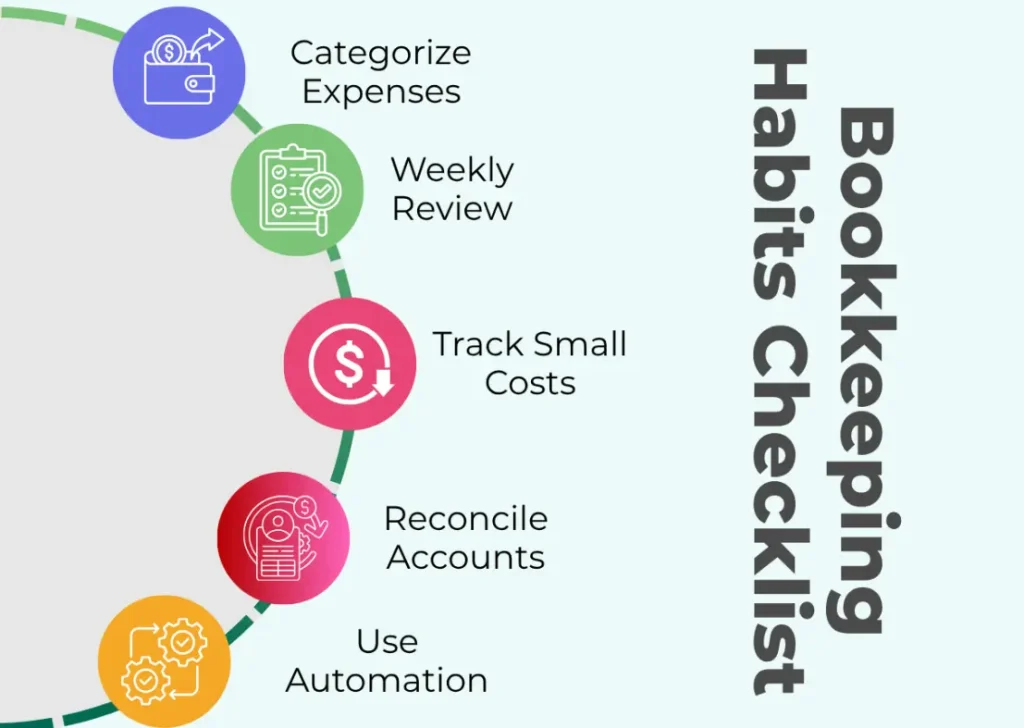
Strong bookkeeping can completely change how a business understands its money. Instead of guessing where the finances stand, clear records give a full picture of income, expenses, and overall performance. To make things simpler and more effective, here are five bookkeeping tips for small businesses that every owner should follow.
1. Categorize Expenses the Right Way
Not all expenses should be treated the same. One of the most useful bookkeeping tips for small business owners is to organize every expense into clear categories like rent, utilities, marketing, salaries, and supplies.
When expenses are properly categorized, it becomes much easier to understand spending patterns. It shows exactly where money is going and helps identify areas where costs can be reduced. This clarity is especially helpful when planning budgets or making financial decisions.
Proper categorization also makes tax filing smoother. It ensures that all eligible deductions are recorded correctly, saving both time and money in the long run.
2. Set a Weekly “Money Check” Routine
Bookkeeping should not be left for the end of the month. A better approach is to set a fixed weekly routine to review finances. This is one of the most practical bookkeeping tips for entrepreneurs who want to stay in control.
Spending just 20–30 minutes each week to review transactions, check balances, and verify records can prevent errors from building up. It also helps in spotting unusual activity early, such as duplicate payments or missing entries. This habit keeps financial data updated and reduces stress, as there is no last-minute rush to organize everything.
3. Track Small Expenses Carefully
Small expenses often go unnoticed, but they can have a big impact over time. Ignoring minor costs is a common mistake, especially for beginners. One of the smartest bookkeeping tips and tricks is to record every expense, no matter how small it is. Daily items like transport, snacks for meetings, or quick purchases may seem insignificant, but together they can affect overall profitability.
By tracking these expenses properly, businesses get a more accurate picture of their financial health. It also helps in controlling unnecessary spending and improving budgeting.
4. Plan for Irregular Expenses in Advance
Unexpected costs can disrupt even a well-managed business. Repairs, seasonal demands, or emergency expenses often come without warning. A strong approach is to prepare for these in advance. Setting aside a small amount regularly for irregular expenses is one of the most effective bookkeeping tips for businesses.
This creates a financial cushion and ensures that sudden costs do not affect daily operations. It also improves cash flow management and keeps the business stable during uncertain situations.
5. Reconcile Your Accounts Regularly
One of the most important yet often ignored bookkeeping tips for small businesses is regular account reconciliation. This means comparing business records with bank statements to ensure everything matches.
Reconciliation helps in catching errors like missing transactions, duplicate entries, or incorrect amounts. It also protects against fraud or unauthorized activity. Doing this regularly, weekly or monthly, keeps financial records accurate and reliable. It builds trust in the numbers and ensures that decisions are based on correct data.
Make Bookkeeping Easier with Smart Digital Tools
Manual bookkeeping can work in the early stages, but as a business grows, it quickly becomes slow, messy, and prone to errors. That’s why using the right digital tools can make financial management much easier and more accurate. Modern accounting software can automate tasks like recording transactions, creating invoices, tracking expenses, and generating financial reports in seconds.
Some of the most popular and reliable tools include CapiPlan, Xero, and Zoho Books. These platforms are widely used by small businesses and entrepreneurs because they are simple to use and offer real-time financial insights.
By using these tools, small businesses can save time, reduce mistakes, and stay fully in control of their finances without getting overwhelmed by manual work.
Suggested: Top Accounting Tips for Small Businesses to Stay Profitable
Wrapping It All Up
Good bookkeeping does not have to be complex or overwhelming. Simple habits can make a big difference in how a business manages its finances. From separating accounts to reviewing reports, each step plays a role in building a strong financial system.
By following these bookkeeping tips for small businesses, business owners can stay organized, reduce stress, and make smarter decisions. Over time, these small efforts lead to better financial management and long-term success.
Frequently Ask Questions
What is the best bookkeeping method?
The best bookkeeping method depends on the type and size of a business. For most small businesses, the cash basis method is simple and easy because it records money only when it is received or paid. For growing or larger businesses, the accrual method is better because it records income and expenses when they are earned, giving a more accurate financial picture.
What are the types of bookkeeping?
The two main types of bookkeeping are single-entry and double-entry bookkeeping. Single-entry bookkeeping records each transaction only once and is usually based on cash transactions, so it is mostly used by small businesses. Double-entry bookkeeping records every transaction in two accounts (debit and credit), making it more accurate and widely used in businesses.

0 Comments