
Taxes are a regular part of running a business, but small errors can quickly become costly. Missing deadlines, keeping poor records, or claiming the wrong expenses can lead to penalties, inaccurate reports, or unnecessary tax costs.
The good news? Most tax mistakes are avoidable with good records, regular reviews, and the right accounting processes.
Table of Contents
1. Filing Tax Returns Late
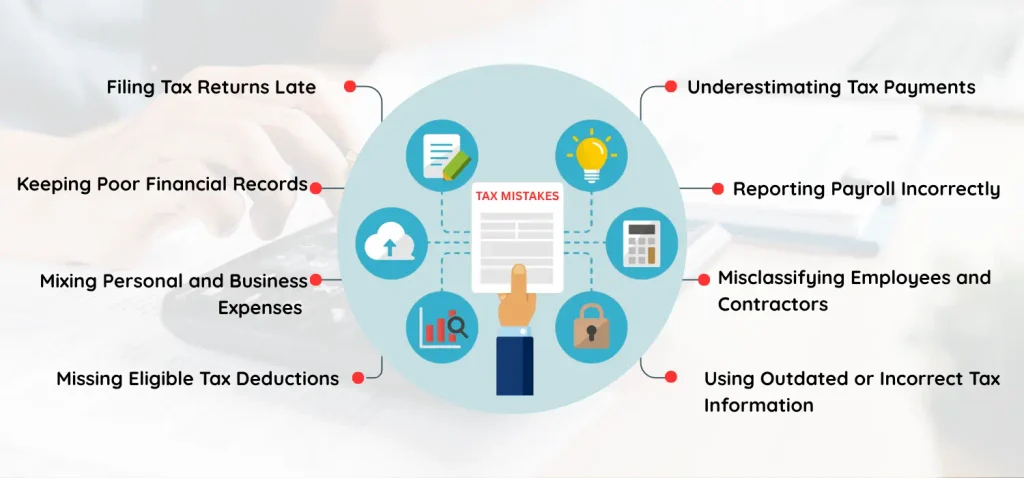
One of the most common tax mistakes businesses make is waiting too long to prepare and submit their tax returns. When deadlines are missed, businesses may face penalties, interest, or other compliance issues depending on local tax rules.
Leaving everything until the last minute can also increase the chance of errors. Important invoices, expense records, or financial information may be missing when the return needs to be prepared.
How to avoid it:
- Keep a calendar of all important tax deadlines.
- Start preparing your records well before the due date.
- Review financial information before submitting returns.
- Set reminders for upcoming filing and payment dates.
Being prepared throughout the year is much easier than trying to organize everything when a deadline is approaching.
2. Keeping Poor Financial Records
Accurate records are the foundation of good tax management. If your business does not properly track sales, expenses, invoices, payments, and receipts, preparing accurate tax reports becomes much harder.
Poor bookkeeping can also cause businesses to miss legitimate expenses or report incorrect figures. Keeping digital copies of invoices and receipts and regularly reconciling financial records can help reduce these problems.
How to avoid it:
- Record transactions regularly.
- Keep invoices and receipts organized.
- Reconcile bank accounts frequently.
- Use accounting software to keep financial information in one place.
Good records do more than help with taxes. They also give you a clearer picture of how your business is performing.
3. Mixing Personal and Business Expenses
Using the same bank account or card for personal and business spending can make your financial records confusing. It becomes harder to identify which expenses belong to the business and which do not.
This is one of the most common tax mistakes, especially for small businesses and new business owners. Mixed transactions can make expense tracking and tax reporting more difficult and may create problems when supporting business deductions.
How to avoid it:
- Open a separate business bank account.
- Use a dedicated business card for business purchases.
- Record owner withdrawals separately.
- Review transactions regularly.
Keeping personal and business finances separate makes your records cleaner and easier to review.
4. Missing Eligible Tax Deductions
Businesses may have legitimate expenses that can reduce their taxable income, depending on local tax laws. However, some businesses fail to track these expenses properly and end up paying more tax than necessary.
This can happen when receipts are lost, expenses are recorded under the wrong category, or business owners only look at their expenses when tax season arrives. Tracking expenses throughout the year makes it easier to identify eligible deductions and keep supporting documents.
How to avoid it:
- Record expenses as they happen.
- Keep receipts and supporting documents.
- Review expenses regularly.
- Check which expenses are allowed under your local tax rules.
Never claim an expense simply because you think it might qualify. If you are unsure, check with a qualified tax professional.
5. Underestimating Tax Payments
Another important business tax mistake is not setting aside enough money for upcoming tax payments. A business may have strong sales and healthy cash flow but still struggle when a large tax payment becomes due.
Businesses that are required to make advance or estimated tax payments should calculate their expected liability carefully and plan their cash flow around those payments. Underpaying or missing required payments can result in additional costs under applicable tax rules.
How to avoid it:
- Review your tax position regularly.
- Set aside money for expected tax payments.
- Monitor changes in revenue and expenses.
- Work with an accountant or tax professional when necessary.
Tax planning should be part of your regular financial routine, not something you think about only at the end of the year.
6. Reporting Payroll Incorrectly
Businesses with employees have additional tax responsibilities. Payroll information needs to be accurate, including employee payments, deductions, and required tax withholdings or contributions.
Incorrect payroll calculations or late payments can create compliance problems and additional costs. Payroll becomes even more complicated as a business grows and hires more employees.
How to avoid it:
- Keep employee records updated.
- Review payroll calculations regularly.
- Pay required payroll taxes on time.
- Use reliable payroll or accounting software.
- Get professional advice when payroll rules are unclear.
A good payroll system can reduce manual errors and make it easier to maintain accurate records.
7. Misclassifying Employees and Contractors
Businesses may work with both employees and independent contractors, but the rules for each can be different. Treating an employee as a contractor simply to reduce payroll responsibilities can create serious tax and compliance issues.
The correct classification generally depends on factors such as the nature of the working relationship, the level of control, and how the person performs their work.
How to avoid it:
- Understand the classification rules in your jurisdiction.
- Keep contracts and worker records organized.
- Review working arrangements when they change.
- Seek professional advice when classification is unclear.
Do not choose a classification only because it appears cheaper or easier. The correct classification should reflect the actual working relationship.
8. Using Outdated or Incorrect Tax Information
Tax rules can change as governments introduce new regulations, reporting requirements, rates, or deadlines. Relying on old information can result in incorrect calculations or missed compliance requirements.
This is particularly important for businesses operating in multiple locations because different countries or regions may have different tax rules.
How to avoid it:
- Check official tax authority updates.
- Review your tax processes regularly.
- Keep accounting and tax software updated.
- Consult a tax professional when regulations change.
- Maintain proper records to support your tax reports.
Staying informed can help your business respond to tax changes before they become a problem.
Also Read: How AI Is Changing Financial Management in 2026
How Accounting Software Can Help Avoid Tax Mistakes
Many tax mistakes happen because financial information is scattered across spreadsheets, bank accounts, invoices, receipts, and different systems.
Accounting software like CapiPlan can help businesses organize income and expenses, record transactions, manage invoices, track payments, and generate financial reports. Automated records can also make it easier to review financial information before preparing tax reports.
For example, businesses can use accounting software to:
- Track income and expenses
- Store invoices and receipts
- Monitor outstanding payments
- Organize financial transactions
- Generate tax-related reports
- Review business performance
- Keep financial records in one place
However, software does not replace professional tax advice. Businesses should still make sure their accounting processes follow the tax rules that apply to them.
Final Thoughts
Tax compliance does not have to be complicated, but it does require consistency. From late filings and poor records to missed deductions and incorrect worker classification, the common tax mistakes businesses make often come down to weak financial processes.
By keeping accurate records, reviewing finances regularly, separating business and personal expenses, and staying updated on tax requirements, you can reduce errors and keep your business better prepared.
The goal is simple: stay organized, stay informed, and deal with tax responsibilities before they become a problem.

0 Comments