
Managing business finances can take a lot of time when bookkeeping is done manually. Recording transactions, tracking expenses, creating invoices, checking payments, and preparing reports can quickly become daily tasks that take you away from running your business.
This is where digital bookkeeping can help. By using technology to record, organize, and manage financial information, businesses can reduce manual work and access important financial data more easily.
Table of Contents
What Is Digital Bookkeeping?
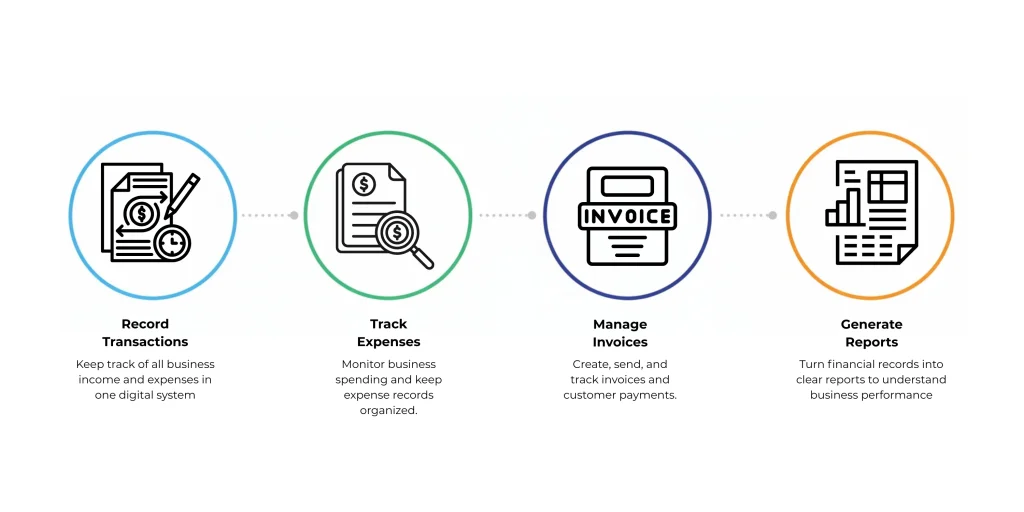
So, what is digital bookkeeping? Simply put, it is the process of managing financial records using digital tools instead of paper records, spreadsheets, or manual systems.
With digital bookkeeping software like CapiPlan or Xero, businesses can record income and expenses, manage invoices, track payments, reconcile transactions, and generate financial reports from one system.
Many digital platforms also automate repetitive tasks. This means business owners and accounting teams can spend less time entering and checking data and more time focusing on important business activities.
1. Automates Repetitive Bookkeeping Tasks
One of the biggest benefits of digital bookkeeping is automation.
Manual bookkeeping often requires you to enter the same information repeatedly. You may need to record sales, update expenses, check payments, and match transactions separately.
Digital systems can automate many of these processes. Depending on the software, you can automate tasks such as:
- Recording financial transactions
- Tracking business expenses
- Creating and sending invoices
- Recording payments
- Reconciling transactions
- Generating financial reports
By reducing repetitive work, your team can save hours that can be used for other important business tasks.
2. Gives You Faster Access to Financial Data
Finding a specific invoice, expense, or transaction can be difficult when financial records are stored in files or spreadsheets.
Digital bookkeeping keeps your financial information organized in one place. Instead of searching through physical documents, you can use the system to find the information you need quickly.
Cloud-based systems can also allow authorized users to access financial data from different locations and devices. This can be especially useful for businesses with remote teams or multiple locations.
Having quick access to financial information also makes it easier to review your business performance and make timely decisions.
3. Makes Team Collaboration Easier
Digital bookkeeping makes it easier for business owners, accountants, and finance teams to work with the same financial information. Instead of sending spreadsheets or physical documents back and forth, authorized users can access the latest records through the bookkeeping system.
This can reduce delays when reviewing transactions, checking expenses, preparing reports, or managing invoices. It also helps teams stay on the same page and spend less time exchanging files or looking for updated information.
With cloud-based digital bookkeeping software, teams can also work from different locations while keeping financial information organized in one place.
4. Makes Financial Reporting Easier
Preparing financial reports manually can be a time-consuming process. Businesses may need to collect information from different records before creating reports.
With digital bookkeeping, financial information can be organized automatically and used to generate reports more quickly.
Depending on the platform, you may be able to view reports such as:
- Profit and loss statements
- Balance sheets
- Expense reports
- Sales reports
- Transaction reports
- Cash flow information
This gives business owners a clearer view of their finances without spending hours preparing reports manually.
5. Keeps Records Organized and Secure
Paper records can take up space and may be difficult to manage as your business grows. Digital records are easier to organize, search, and store.
Many digital bookkeeping services and software platforms also include security features such as user permissions, authentication, backups, and controlled access.
These features can help businesses protect financial information while making sure the right people can access the records they need.
6. Reduces Paperwork
Digital bookkeeping can also reduce the amount of paperwork your business handles.
Instead of printing invoices, storing receipts, and maintaining large folders of financial documents, businesses can store much of this information digitally.
This saves time spent organizing physical records and makes it easier to find documents when they are needed.
7. Helps Your Business Focus on Growth
The main purpose of saving time is not simply to finish bookkeeping faster. It is to give you more time to focus on your business.
When routine financial tasks take less time, business owners can focus on customers, sales, employees, planning, and growth.
Digital bookkeeping can therefore become more than just a way to record transactions. It can help create a more organized financial workflow that supports everyday business operations.
How to Choose Digital Bookkeeping Software
When selecting digital bookkeeping software, look for features that match your business needs. Consider whether the software offers:
- Automated transaction tracking
- Invoicing and payment management
- Expense tracking
- Financial reporting
- Bank or payment integrations
- User access controls
- Cloud access
- Data backups
- Easy-to-use dashboards
The right system should reduce your workload rather than add more complicated processes.
Suggested: Why Your Business Needs a Financial Reset Before the Year Ends
Final Thoughts
Digital bookkeeping can save your business time by reducing manual data entry, automating repetitive tasks, improving access to financial information, and making reporting easier.
As your business grows, managing financial records manually can become harder. Moving to a digital system can help you keep your records organized while giving your team more time to focus on work that directly supports business growth.

0 Comments