
Running a business today means keeping up with technology, and finance is no exception. Paper ledgers, manual spreadsheets, and end-of-month scrambles are quickly becoming things of the past. In their place, more companies are turning to digital accounting to manage their books faster, smarter, and with no errors.
If you’re wondering whether it’s time to make the switch, this guide breaks down what digital accounting is, why it matters, and how it can shape the future success of your business.
Table of Contents
What Is Digital Accounting?
Digital accounting is the practice of managing a company’s financial records using online tools and software instead of manual, paper-based methods. It covers everything from invoicing and expense tracking to payroll, tax filing, and financial reporting all handled through connected digital systems.
Instead of storing receipts in folders or updating spreadsheets by hand, businesses now rely on a digital accounting system that automatically records transactions, syncs with bank accounts, and generates reports in real time. This shift isn’t just about convenience; it’s about giving business owners clearer, faster access to the numbers that drive decisions.
Why Digital Accounting Matters for Business Success
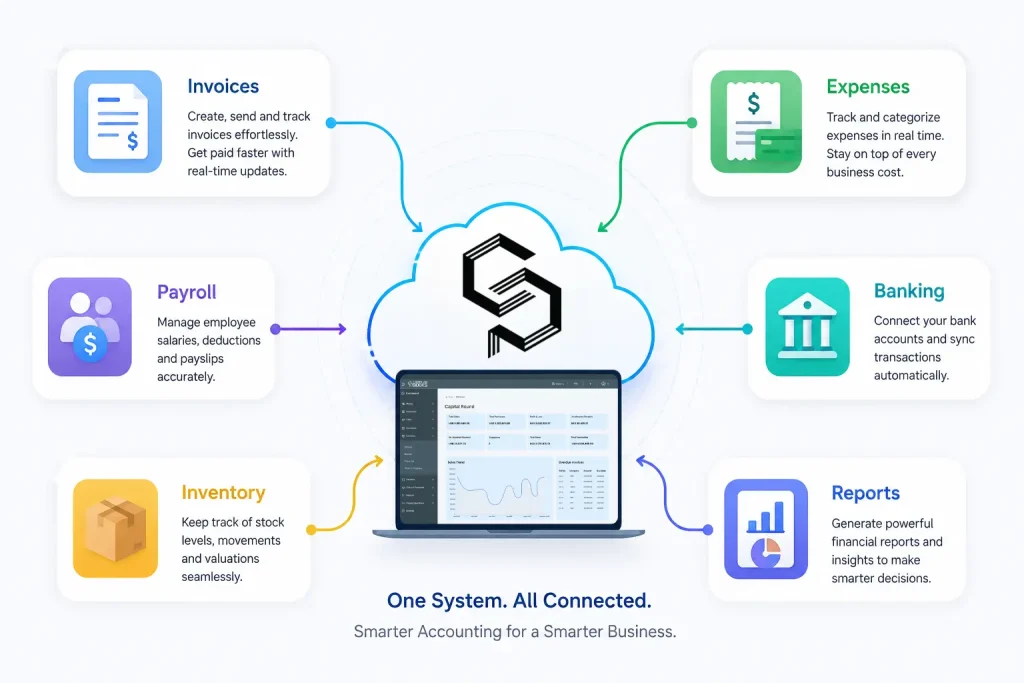
1. Real-Time Financial Visibility
One of the biggest advantages of digital accounting is instant access to accurate financial data. Business owners no longer need to wait until month-end to know where they stand. With digital accounting data updated continuously, you can check cash flow, outstanding invoices, and profit margins at any moment.
2. Fewer Errors, More Accuracy
Manual bookkeeping leaves room for human error; a misplaced decimal or a missed entry can throw off an entire report. Automated systems reduce these mistakes by pulling data directly from bank feeds and applying consistent calculations every time.
3. Time and Cost Savings
Automating repetitive tasks like data entry, reconciliation, and invoice generation frees up hours that can be spent on growing the business instead. Many companies find that using streamline digital accounting software cuts their bookkeeping time significantly, allowing staff to focus on higher-value work.
4. Better Decision-Making
With clean, organized, and up-to-date financial information, business leaders can make smarter decisions faster. Whether it’s deciding on a new hire, evaluating a big purchase, or planning for tax season, having reliable numbers on hand makes the process far less stressful.
5. Easier Collaboration with Professionals
Working with a digital accounting firm or an accountant no longer means mailing documents back and forth. Cloud-based platforms let your bookkeeper, accountant, and even your business partners access the same live financial data from anywhere, making collaboration smoother and more transparent.
6. Scalability for Growing Businesses
As a business grows, its financial needs become more complex. A good digital accounting system can scale alongside the company, handling more transactions, more employees, and more reporting requirements without needing a complete overhaul.
Choosing the Right Digital Accounting Services
Not all digital accounting solutions are the same, so it’s worth taking time to find the right fit for your business. Here are a few things to look for:
- Ease of use: The platform should be simple enough for your team to use without extensive training.
- Integration: It should connect easily with your bank, payroll system, and other business tools.
- Security: Look for strong encryption and data protection standards, since financial information is sensitive.
- Support: Reliable customer support matters, especially during tax season or when issues arise.
- Scalability: Choose a system that can grow with your business rather than one you’ll outgrow quickly.
Many businesses choose to partner with a leading digital accounting provider rather than managing everything in-house. This gives them access to expert guidance alongside the software itself, which can be especially helpful for small business owners who don’t have a dedicated finance team.
How to Choose the Best Digital Accounting Software
With so many options on the market, picking the best digital accounting software can feel overwhelming. A simple way to narrow down your choice is to start with your business size and needs:
- Small businesses and freelancers often do well with straightforward, affordable platforms that cover invoicing, expense tracking, and basic reporting.
- Mid-sized companies may need more advanced features like payroll integration, inventory tracking, and multi-user access.
- Larger businesses typically require robust systems with detailed reporting, multi-currency support, and integration with enterprise tools.
Before committing, it’s a good idea to test a free trial, read reviews from similar businesses, and confirm that the software meets your industry’s compliance requirements.
Looking for the best digital accounting software? Explore CapiPlan, FreshBooks in one place.
The Future of Digital Accounting
Digital accounting isn’t a passing trend; it’s the direction the entire industry is heading. Artificial intelligence is already being used to flag unusual transactions, predict cash flow issues, and automate routine bookkeeping tasks. Cloud computing means business owners can check their finances from a phone while traveling, and integrations with e-commerce, payroll, and banking platforms continue to expand.
Businesses that adopt digital accounting now are positioning themselves to work more efficiently, make better financial decisions, and stay competitive as the industry continues to evolve. Those that stick with outdated manual methods may find themselves spending more time catching up than moving forward.
Also Read: Why Integrated Business Management Software Is the Future
Final Thoughts
Digital accounting offers accuracy, speed, and clarity that manual bookkeeping simply can’t match. From real-time reporting to easier collaboration with accountants, the benefits touch nearly every part of running a business. Whether you’re a small business owner just starting out or a growing company looking to scale, investing in the right digital accounting tools and services today can set the foundation for long-term success.
Frequently Ask Questions
How is digital accounting different from traditional accounting?
Traditional accounting relies on manual data entry and physical records, while digital accounting automates data collection, syncs with bank accounts, and provides real-time financial reports.
Do I still need an accountant if I use digital accounting software?
Yes, most businesses still benefit from working with an accountant or a digital accounting firm. The software handles data entry and organization, while a professional provides advice, ensures compliance, and helps with tax planning.
0 Comments