
Cash flow problems can make it difficult for a business to pay bills, manage daily expenses, and plan for growth. One common reason is slow customer payments. When invoices remain unpaid for too long, businesses may have sales on paper but not enough cash in the bank.
This is why strong accounts receivable strategies are important. They help businesses send invoices on time, follow up with customers, reduce payment delays, and maintain a healthier cash flow.
Here are seven practical strategies to improve your accounts receivable process.
Table of Contents
1. Set Clear Payment Terms
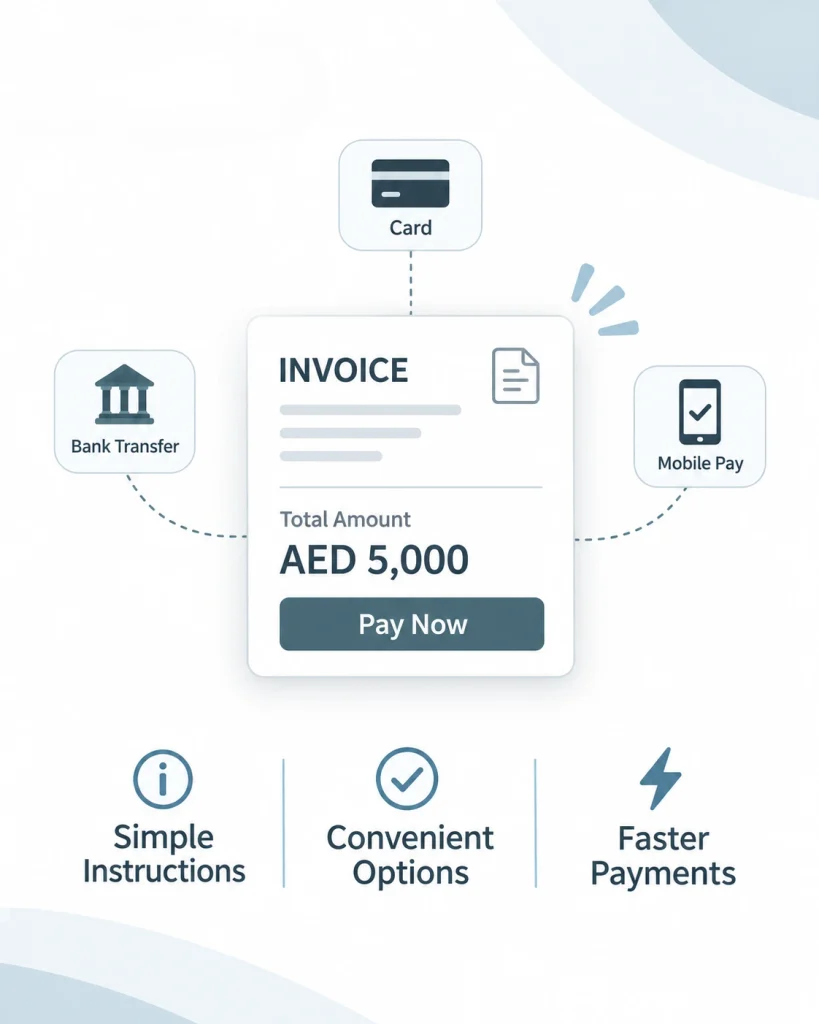
Clear payment terms can help prevent confusion and payment delays. Before providing products or services, make sure customers know when and how they need to pay.
Your payment terms should clearly mention:
- Payment due date
- Accepted payment methods
- Late payment conditions
- Deposit or advance requirements, if applicable
- Any discounts for early payments
For example, you can set payment terms of 30 days from the invoice date. Make sure these terms are shared with customers before the sale and included on every invoice.
Clear terms make it easier for both sides to understand their responsibilities.
2. Send Accurate Invoices on Time
Late or incorrect invoices can delay payments. If an invoice contains missing information, wrong prices, or unclear payment details, customers may need to contact your team before paying.
To improve your accounts receivable process, create and send invoices as soon as the product or service is delivered.
A good invoice should include:
- Customer name and contact details
- Invoice number
- Invoice date
- Products or services provided
- Prices and quantities
- Taxes and discounts
- Total amount due
- Payment terms
- Payment instructions
Accurate invoices reduce unnecessary back-and-forth and help customers pay faster.
3. Follow Up Before the Due Date
Do not wait until an invoice becomes overdue before contacting the customer. A simple reminder before the due date can prevent missed payments.
For example, you can send a friendly email a few days before the payment deadline. After the due date, send another reminder if the payment has not been received.
Your follow-up process can include:
- A reminder before the due date
- A payment reminder on the due date
- A follow-up after the invoice becomes overdue
- A stronger notice for long-overdue invoices
Regular follow-ups keep outstanding invoices visible and can improve payment collection.
4. Use Accounts Receivable Software
Managing invoices and payment records manually can become difficult as a business grows. Spreadsheets and paper records can also make it harder to track overdue invoices.
Accounts receivable software such as CapiPlan or Xero can help businesses organize invoices, monitor outstanding payments, and keep customer payment information in one place.
Depending on the software, you may be able to:
- Track unpaid invoices
- View overdue payments
- Send payment reminders
- Monitor customer balances
- Record received payments
- Generate financial reports
This gives your finance team better visibility into the money that is still expected from customers.
5. Automate Repetitive Tasks
Accounts receivable involves many repetitive tasks, such as sending invoices, checking payment status, and sending reminders. Doing these tasks manually takes time and increases the chance of human error.
An automated accounts receivable system can handle many routine activities with less manual work.
For example, an automated system can help send invoices and payment reminders based on predefined schedules. It can also update payment records when transactions are recorded.
Automated accounts receivable processes allow finance teams to spend less time on repetitive work and more time managing important financial tasks.
However, automation should support your team rather than completely replace human oversight. Staff should still review unusual transactions, customer disputes, and important payment issues.
6. Monitor Overdue Invoices Regularly
Knowing how much money is overdue is essential for maintaining healthy cash flow. Businesses should regularly review outstanding invoices and identify which customers have delayed payments.
An accounts receivable report can help you see:
- Total outstanding invoices
- Overdue amounts
- Current invoices
- How long payments have been outstanding
- Customer payment patterns
You can also group invoices by age, such as 1–30 days, 31–60 days, and more than 60 days overdue.
This helps your team prioritize collection efforts. Older unpaid invoices may require faster action than recently issued invoices.
7. Make Payments Easy for Customers
The easier it is for customers to pay, the more likely they are to complete payments on time.
Offer convenient payment options that work for your customers. Include clear payment instructions on every invoice and make sure customers know where and how to make the payment.
You can also provide online payment options where suitable. Digital payment methods can reduce delays caused by manual processes, especially when customers do not need to contact your finance team to complete a payment.
A simple payment process can improve the customer experience while also helping businesses receive cash faster.
Also Read: Cost Optimization Strategies for Growing Businesses in 2026
Why Accounts Receivable Strategies Matter
Good accounts receivable strategies do more than help businesses collect money. They also improve financial visibility and make cash flow easier to manage.
When invoices are sent on time, payments are tracked properly, and overdue accounts are followed up regularly, businesses have a clearer view of their available cash.
This can help businesses:
- Reduce late payments
- Improve cash flow
- Spend less time chasing invoices
- Reduce manual errors
- Improve financial planning
- Build better customer payment processes
For growing businesses, using the right tools can make these processes even easier.
Let’s Wrap Up!
Strong accounts receivable management can make a big difference to business cash flow. Setting clear payment terms, sending accurate invoices, following up regularly, and using automation can help businesses receive payments faster.
The goal is not simply to chase customers for money. It is to create a clear and organized payment process that makes it easy for customers to pay and easy for businesses to track what they are owed.

0 Comments