
Payroll does not have to be a monthly headache. With the right payroll system, businesses can automate repetitive tasks, reduce errors, and make sure employees are paid accurately and on time.
But simply having payroll software is not enough. The real difference comes from building a smarter process around it.
Table of Contents
What Is a Payroll System?
A payroll system is software that helps businesses manage employee salaries, deductions, allowances, bonuses, working hours, and other payroll tasks.
Instead of calculating everything manually in spreadsheets, businesses can use a payroll system software like CapiPlan or PayPeople to organize payroll data and automate calculations.
A modern system can also connect payroll with HR information, employee records, attendance, and other business processes. This creates a more connected HR and payroll system and reduces the need to enter the same information multiple times.
Why Businesses Need a Smarter Payroll Process
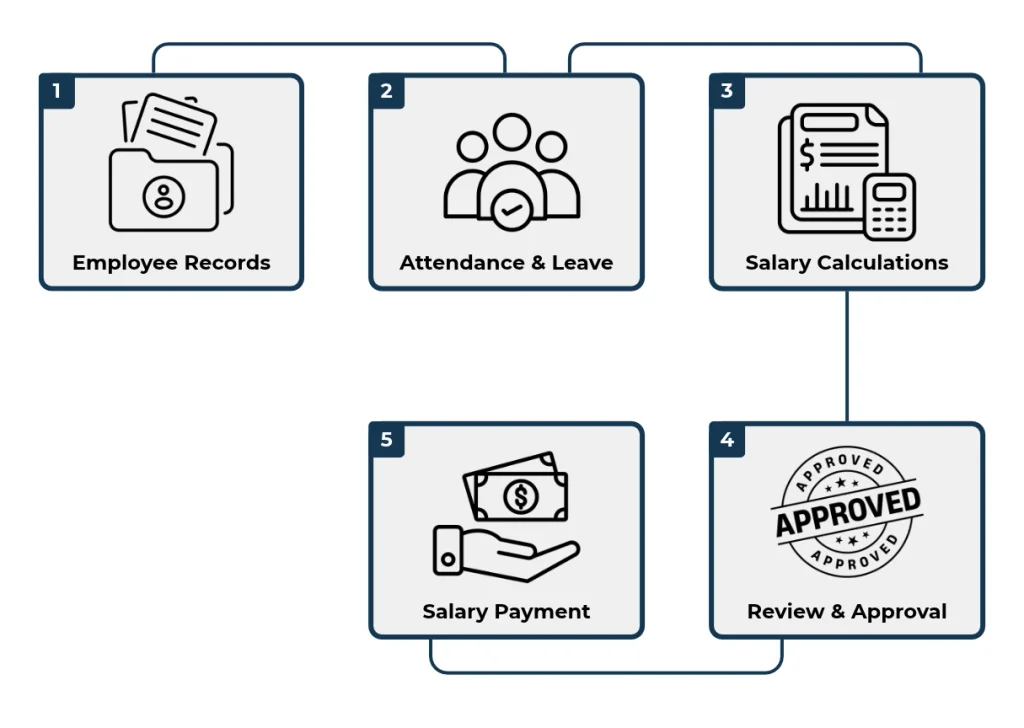
Payroll involves more than simply calculating salaries. Businesses also need to manage employee information, attendance, leave, deductions, benefits, and payroll records.
When these tasks are handled manually, small mistakes can easily become bigger problems.
A smarter payroll process can help businesses:
- Reduce manual data entry
- Minimize payroll calculation errors
- Save time every month
- Keep employee information organized
- Improve payroll accuracy
- Maintain better records
- Make payroll easier to review
- Support business growth
The goal is simple: less repetitive work and more control over payroll.
1. Keep Employee Data in One Place
A smart payroll process starts with clean and organized employee data.
Instead of keeping salary details in one file, attendance in another, and employee information somewhere else, use a centralized system.
An HR payroll system can bring important employee information together, such as:
- Employee names and job details
- Salary information
- Allowances and deductions
- Department and role
- Joining dates
- Leave and attendance data
- Payroll history
Having one reliable source of information makes payroll easier to manage and reduces the chances of using outdated data.
2. Automate Salary Calculations
Manual salary calculations take time and leave room for mistakes.
A payroll system can automate calculations based on the information stored in the system. This may include basic salary, allowances, deductions, overtime, bonuses, and other payroll components.
Once the rules are configured, the system can handle repetitive calculations with less manual effort.
This is especially useful for businesses with many employees, different salary structures, or multiple departments.
3. Connect HR and Payroll
Payroll should not operate separately from HR.
Employee changes often affect payroll. For example, a new employee joins, someone receives a salary increase, or an employee moves to another department.
When HR and payroll information is connected, these changes can be easier to manage.
An integrated HR and payroll system can help businesses keep employee records and payroll information aligned. It also reduces duplicate data entry between HR and finance teams.
4. Bring Attendance and Leave Into the Process
Attendance and leave can directly affect payroll.
If attendance information is maintained separately, payroll teams may need to collect and verify the data before processing salaries.
A smarter process connects relevant attendance and leave information with payroll. This can make it easier to account for working days, absences, overtime, or approved leave according to the company’s payroll rules.
The result is a more connected payroll workflow instead of several disconnected processes.
5. Standardize Payroll Rules
Every business has its own payroll structure. Some employees may have different allowances, deductions, working schedules, or payment arrangements.
Instead of calculating these differences manually every month, businesses can define standard payroll rules in their payroll system software.
This helps create a consistent process and reduces the need to repeat the same calculations.
Before setting up the system, businesses should clearly define:
- Salary components
- Allowances
- Deductions
- Overtime rules
- Bonus structures
- Payment schedules
- Employee categories
Once these rules are clearly defined, payroll becomes easier to repeat and review.
6. Build Checks Before Payroll Is Finalized
Automation does not mean businesses should stop reviewing payroll.
A good payroll process should include checks before salaries are finalized. Businesses can review unusual changes, new employees, salary adjustments, large deductions, or missing information.
For example, if an employee’s salary suddenly changes from the previous month, the payroll team can review the reason before final approval.
These simple checks can help catch issues before payroll is processed.
7. Improve Payroll Reporting
Payroll data can provide useful information beyond employee payments.
A modern payroll system can help businesses organize payroll records and generate reports that make it easier to review salary expenses, deductions, employee costs, and other payroll information.
Instead of spending hours collecting figures from different spreadsheets, managers can access organized payroll data when they need it.
This can also help finance teams understand how payroll contributes to overall business expenses.
8. Keep Payroll Records Organized
Payroll records should be easy to access when needed.
Businesses may need historical payroll information for internal reviews, employee queries, financial reporting, or compliance-related requirements.
Keeping payroll information in a centralized system makes it easier to find past records instead of searching through multiple files.
It also creates a clearer history of payroll activity over time.
9. Consider Local Payroll Requirements
Businesses operating in different countries need to consider local rules and payroll requirements.
For companies operating in the UAE, choosing a payroll system in UAE that supports the business’s local requirements can make payroll management easier.
The system should be configured according to the company’s payroll policies and applicable regulations. Businesses should also regularly review their payroll setup as requirements change.
For growing companies, choosing software with flexible settings can be useful when payroll structures or business requirements evolve.
10. Review and Improve the Process Regularly
A payroll process should not be treated as a set-it-and-forget-it system.
As a business grows, its payroll needs can change. More employees, new departments, different salary structures, and additional benefits can all affect the process.
Review your payroll workflow regularly and ask:
- Which payroll tasks still require manual work?
- Where do errors happen most often?
- Is employee data updated on time?
- Are approvals clear?
- Can reports be generated faster?
- Is the current system still suitable for the business?
These reviews can help businesses identify unnecessary steps and improve the payroll process over time.
Also Read: 10 Smart Financial Management Strategies for Growing Businesses
How to Choose the Right Payroll System
The right software should match the way your business actually works.
When comparing a payroll system, look for features such as:
- Automated payroll calculations
- Employee data management
- Attendance and leave integration
- Payroll reports
- Multiple salary components
- Role-based access
- Secure data management
- Easy reporting
- Scalability for growing teams
It is also important to consider usability. A system with many features is not useful if employees struggle to understand or operate it.
The best choice depends on your business size, payroll structure, employee requirements, and local compliance needs.
Wrap up!
A smarter payroll process is not about adding more steps. It is about removing unnecessary ones.
With the right payroll system, businesses can automate repetitive work, keep employee data organized, improve accuracy, and create a payroll process that is easier to manage as the business grows.

0 Comments